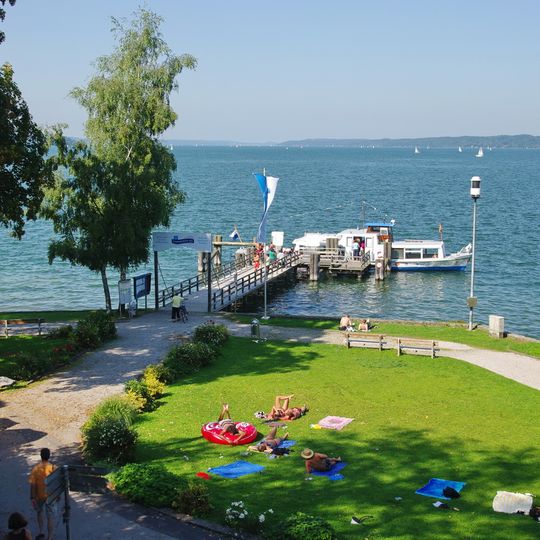
Seeshaupt, municipality in the Weilheim-Schongau district, in Bavaria, Germany
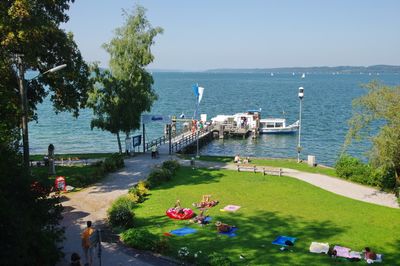
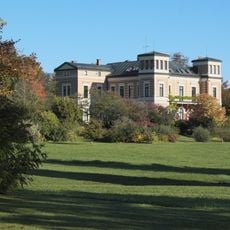
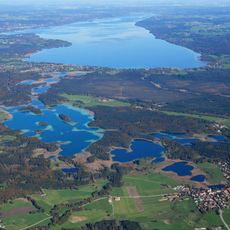
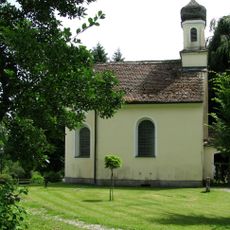
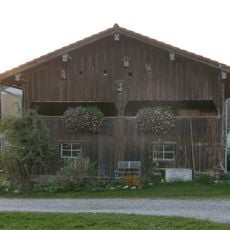
Seeshaupt is a small municipality on the southern shore of Lake Starnberg in Upper Bavaria, part of the Weilheim-Schongau district. The settlement sits close to the water, with low houses, tiled roofs, narrow streets lined with old trees, and forest that reaches down to the lake.
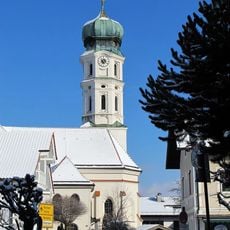
Seeshaupt was first recorded in the 13th century as a fishing settlement, shaped for centuries by the church and by life on the lake. The arrival of the railway and steamships in the 19th century opened it up to visitors from Munich, changing the character of the place.
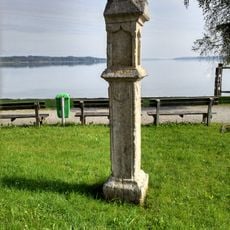
The name Seeshaupt refers to the southern tip of Lake Starnberg, where the shoreline juts out like a head or point into the water. Locals and visitors tend to gather along the waterfront path, stopping at small cafes or sitting by the lake on warmer days.
The village center is easy to walk through, as the main spots are close together and the terrain is flat. A path runs along the lakeshore and is open throughout the day, with mornings and evenings generally offering fewer people and a calmer feel.
Klaus Maertens, who invented the air-cushioned sole that became the basis of the Dr. Martens brand, spent time in Seeshaupt and came up with his idea after injuring his foot while skiing in the Alps. What began as a practical solution in a small Bavarian village ended up shaping a shoe worn across the world.
The community of curious travelers
AroundUs brings together thousands of curated places, local tips, and hidden gems, enriched daily by 92,028 contributors worldwide.