Wehr, municipality in Baden-Württemberg, Germany
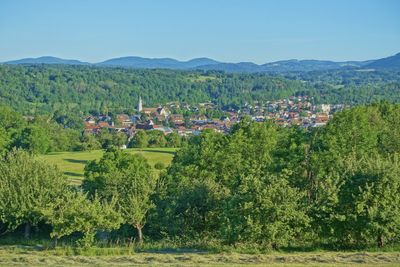
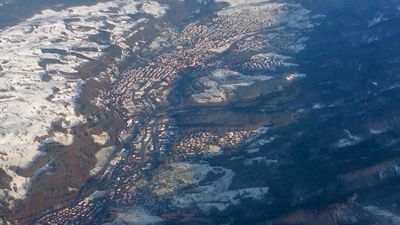
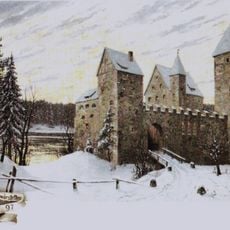
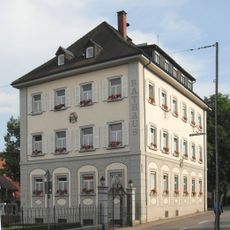
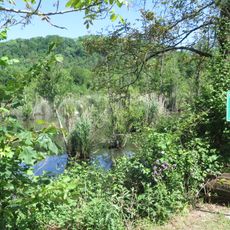
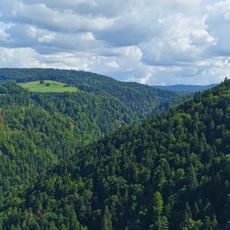
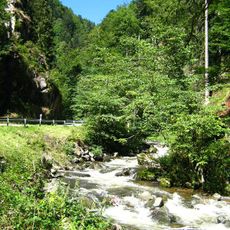
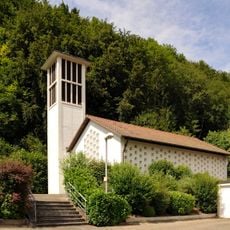
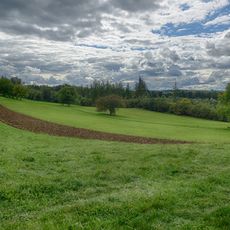
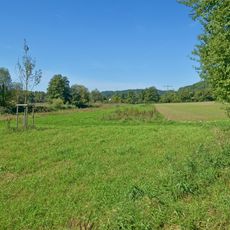
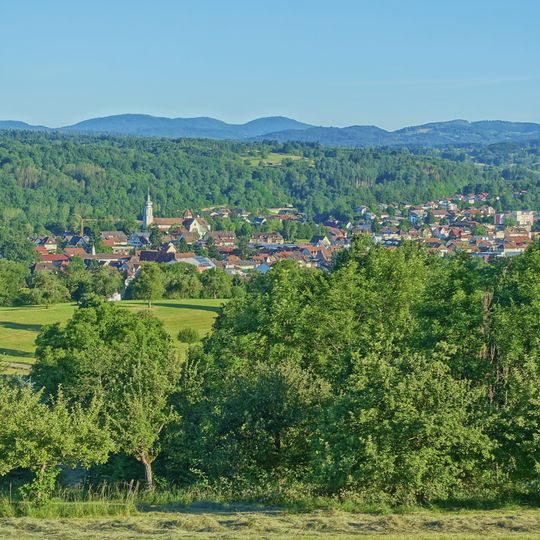
Wehr is a small town in southern Baden-Württemberg situated on the Wehra river between the Dinkelberg hills to the west and the High Black Forest to the east. The town features quiet streets lined with old buildings, small gathering squares, and is surrounded by fields, forests, and rivers.
Wehr was first documented in 1092 and historically belonged to Further Austria. The town received market rights in 1363, an important economic privilege at that time, and was officially granted full city status in 1950.
The town takes its name from the Wehra river that flows through it and has shaped its identity. Residents maintain local traditions through regular community events and an active commitment to keeping the town welcoming and culturally engaged.
The town is easily accessible by public transportation with train connections to nearby larger cities and a station in the southern part. Various accommodation options are available including hotels, holiday apartments, and a motorhome parking area, plus a visitor center offering information and planning assistance.
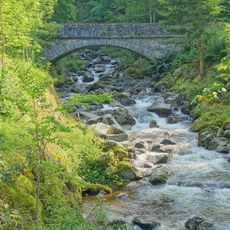
Wehr is the birthplace of world-renowned violinist Anne-Sophie Mutter, who still performs here at special events. The town features the Schluchtensteig, one of Germany's best hiking trails, whose final section descends through narrow valleys along the Wehra river directly into the town center.
The community of curious travelers
AroundUs brings together thousands of curated places, local tips, and hidden gems, enriched daily by 91,453 contributors worldwide.