Loxstedt, Unified municipality in the Lower Saxony district of Cuxhaven, Germany
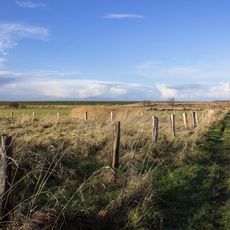
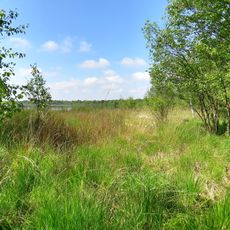
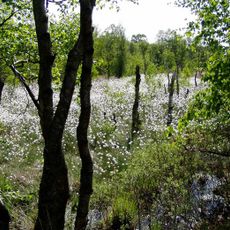
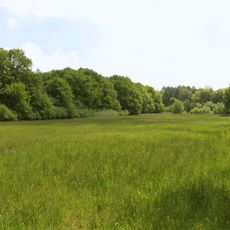
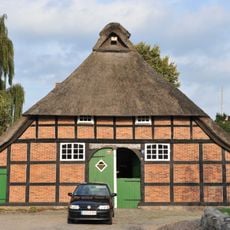
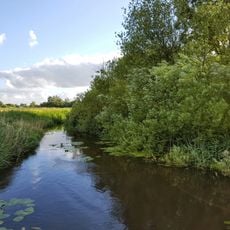
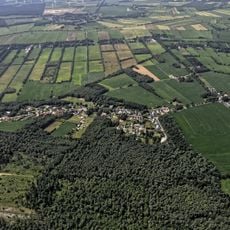
Loxstedt is a small municipality in the Cuxhaven region of northern Germany, surrounded by fields, wetlands, and waterways. It consists of several small villages such as Dedesdorf, Stotel, and Neuenlande and is characterized by simple houses, narrow country roads, and scattered farms that blend into the flat landscape of the North German Plain.
Loxstedt was first mentioned in written records in 1059 and has developed as an agricultural community since then. Over the centuries, the area fell under different administrative regions, and the Weser River played a key role in shaping the landscape and people's lives here.
The name Loxstedt comes from Low German and means "settlement by the marshland," reflecting the wetland landscape that once shaped the region. Visitors can sense this connection to nature in the quiet, farm-focused way of life and in the simple houses with sloped roofs that define the village.
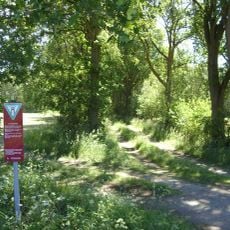
The area is best explored on foot or by bicycle, as the roads are quiet and distances between villages are manageable. Visitors should wear sturdy shoes, as country paths can become muddy, especially after rain.
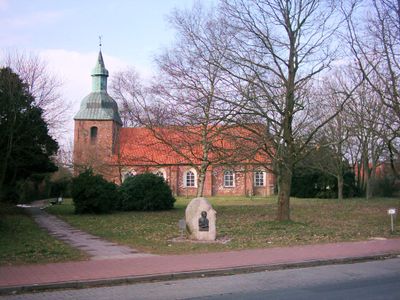
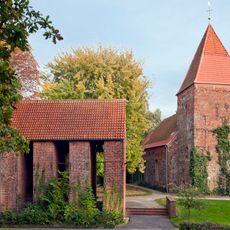
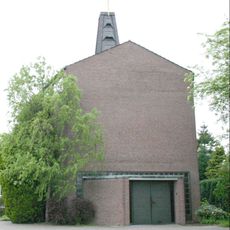
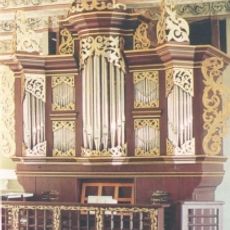
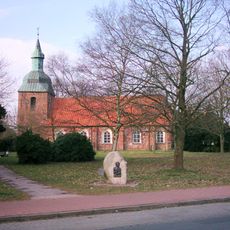
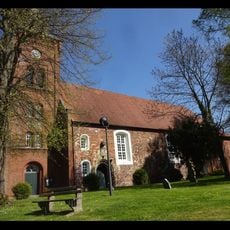
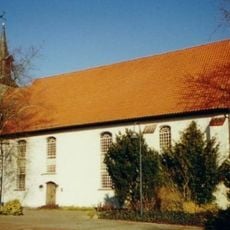
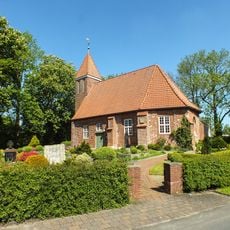
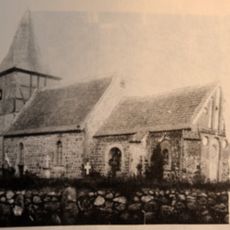
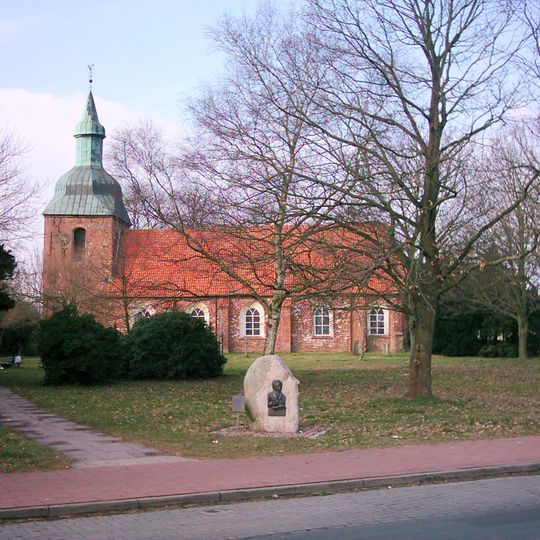
The coat of arms of Loxstedt displays three black nails that recall the noble Nagel family, who once built a church in the region. The church itself, built in the 14th century, still features a splendid organ from the late 1700s that plays during concerts and services.
The community of curious travelers
AroundUs brings together thousands of curated places, local tips, and hidden gems, enriched daily by 91,279 contributors worldwide.