Dinkel, River between North Rhine-Westphalia, Germany and Netherlands
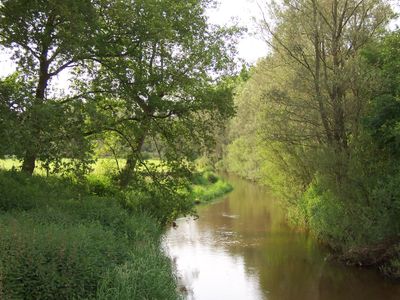
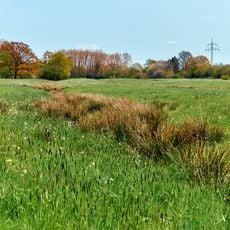
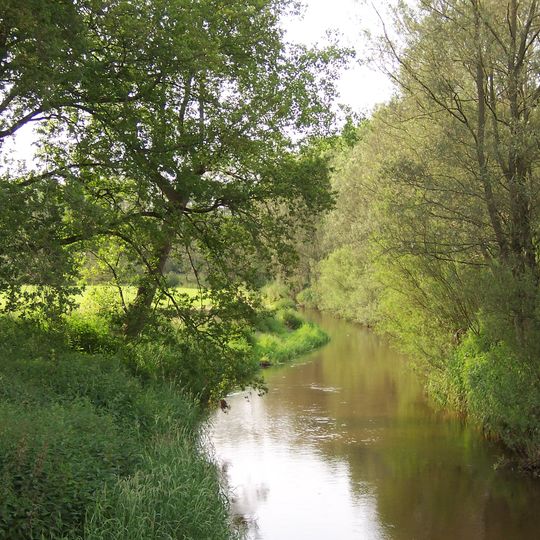
The Dinkel is a river between North Rhine-Westphalia, Germany and the Netherlands, flowing for about 89 kilometers with natural meanders and high sandy banks. The waterway runs through flat farmland and continuously shifts its course due to sand deposits in its bed.
The river supported agricultural development since medieval times, with water mills built along its course to harness its power, and some structures like those near Singraven still remain visible today. The region maintained its connection to the Dinkel across centuries despite political boundary changes between Germany and the Netherlands.
The Dinkel River forms part of a shared landscape between Germany and the Netherlands, where local people fish and boat along its banks as part of daily rural life. The waterway connects small villages and farmland on both sides of the border in ways that reflect how the region has always worked across the international boundary.
The river is best for boating and exploration from September onward once the nesting period for local birds concludes and water levels become stable. The sandy banks can be slippery underfoot, so sturdy footwear is wise if you plan to walk along the water's edge.
The Lutterzand area is known for its shifting sand deposits that move several meters annually, continuously reshaping the landscape. This rapid transformation creates new islands and inlets that exist only briefly before water movement reshapes them again.
The community of curious travelers
AroundUs brings together thousands of curated places, local tips, and hidden gems, enriched daily by 60,000 contributors worldwide.