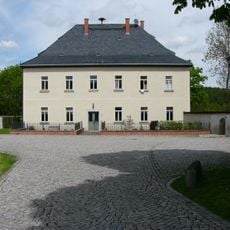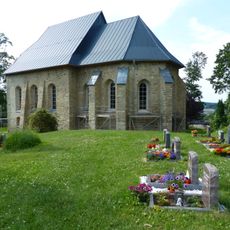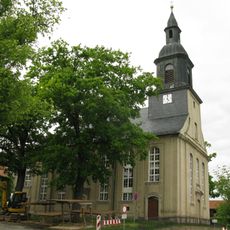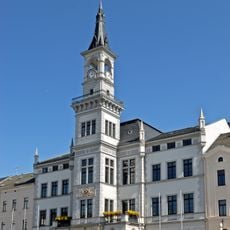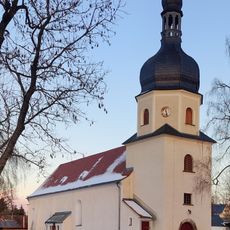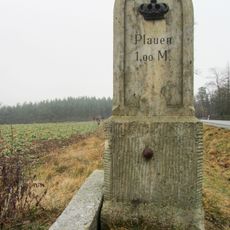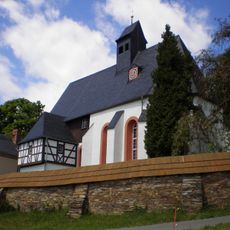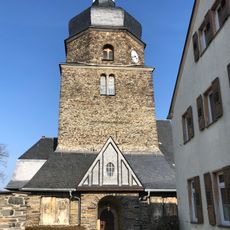
Vogtland, Geographic region in southwestern Saxony, Germany
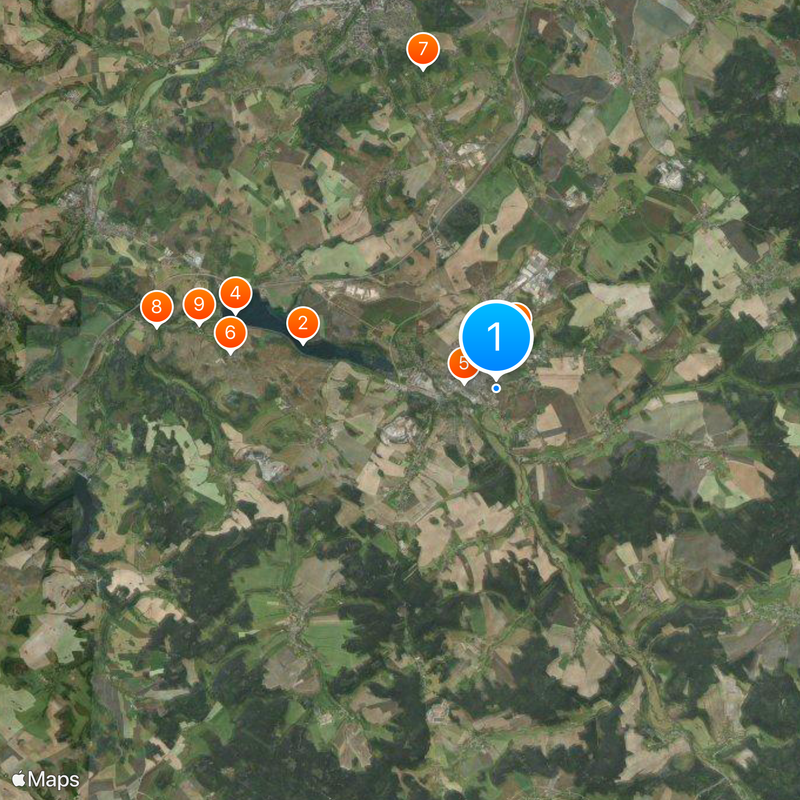
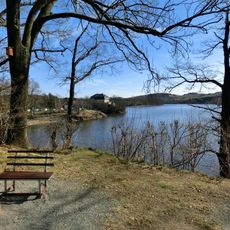
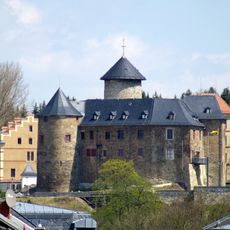
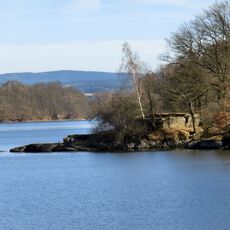
Vogtland is a region in southwestern Saxony, Germany, covering a wooded and hilly plateau with valleys carved by the White Elster River and the Zwickauer Mulde. This landscape sits between the Ore Mountains and the neighboring areas of Thuringia, Bavaria and Bohemia, featuring forests, meadows and small settlements scattered across the valleys.
This region received its name from imperial officials called Vogts who administered the area between 1138 and 1254 under Hohenstaufen rule. These administrators exercised judicial and military control, shaping the administrative structure that gave the territory its enduring name.
The towns of Klingenthal and Markneukirchen have specialized in crafting musical instruments for centuries, with reed instruments and string varieties from these workshops known around the world. Visitors can tour the workshops and see violin makers and craftspeople using traditional methods passed down through generations.
The region connects to larger cities through the Vogtlandbahn railway network and motorways A72 and A9, making travel from Leipzig, Regensburg and Berlin straightforward. Hiking trails and small roads cross the wooded hills and valleys, allowing visitors to explore the landscape on foot or by bicycle.
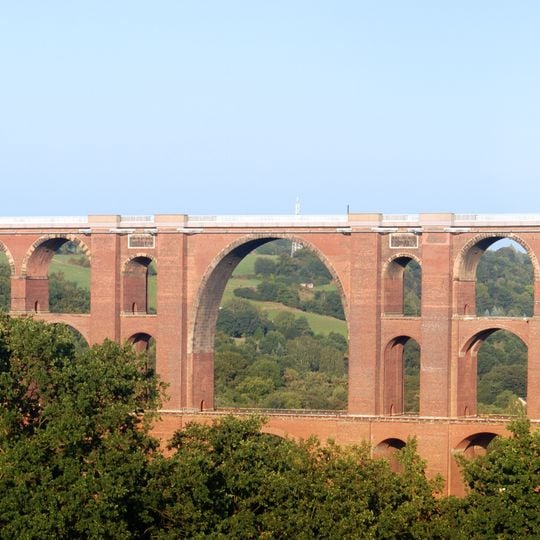
The Göltzsch Viaduct was built with 26 million bricks and reaches a height of 78 meters (256 feet), making it the largest brick bridge in the world. The mid-19th-century construction spans the valley without steel reinforcements, relying entirely on the strength of the masonry.
The community of curious travelers
AroundUs brings together thousands of curated places, local tips, and hidden gems, enriched daily by 90,816 contributors worldwide.