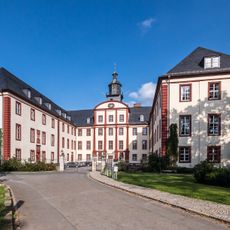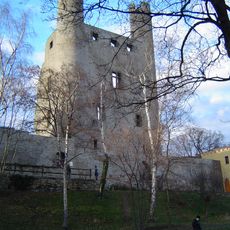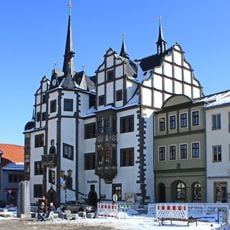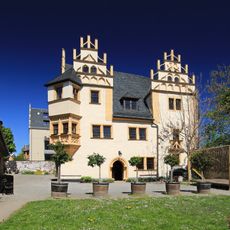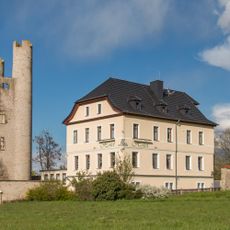
Saalfeld Abbey, Benedictine abbey in Saalfeld, Germany
Saalfeld Abbey was a Benedictine monastery located in Thuringia along the Saale River, featuring religious buildings and fortified structures. The complex combined a church, cloister, and economic facilities necessary for monastic life.
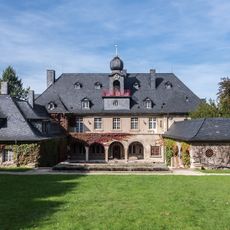
The abbey was founded in 1071 by Archbishop Anno II of Cologne and quickly gained independence and land grants. Following secularization during the Reformation, its buildings were replaced by a palace constructed between 1677 and 1720.
The monastery served as the center of community life and religious practice in Saalfeld for centuries. Its role shaped how local people understood their town's identity and religious heritage.
The site is easily accessible and located near the Saale River in central Saalfeld. Visitors can see the remaining structures or explore the palace that now occupies the location where the monastery once stood.
The monastery maintained prayer houses in several regions including Coburg and Probstzella, extending its religious influence far beyond Saalfeld itself. This network of dependent properties made it an important ecclesiastical power in eastern Thuringia.
The community of curious travelers
AroundUs brings together thousands of curated places, local tips, and hidden gems, enriched daily by 91,328 contributors worldwide.