Bartholomäusfriedhof, Göttingen, Cemetery and architectural heritage monument in Göttingen, Germany.
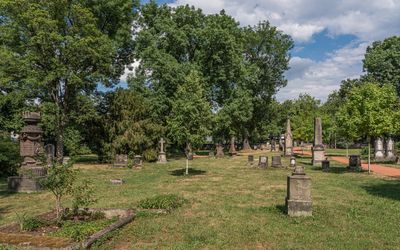
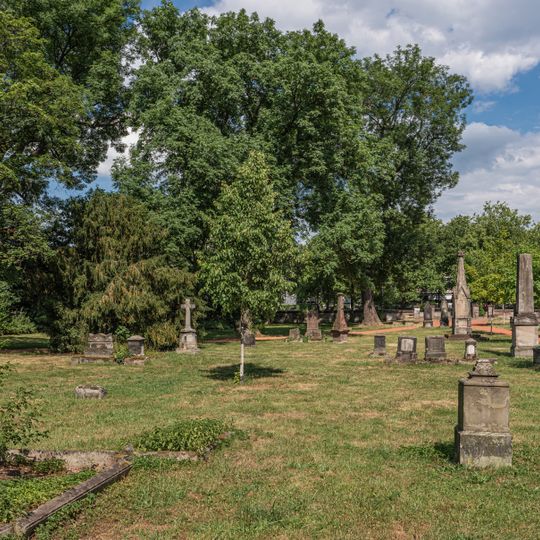
The Bartholomäusfriedhof is a cemetery and architectural heritage site in Göttingen located north of the old town, situated between Weender Landstraße and Maschmühlenweg streets. The grounds contain around 185 preserved grave markers from various periods, many of which have undergone restoration work in recent years.
The cemetery was established in 1546 on the grounds of a former hospital located outside the city walls and served as Göttingen's primary burial place for over 300 years. Its use as the main cemetery ended in 1881 when the city developed a new burial ground in a different location.
The cemetery is named after the former leprosy hospital that once occupied this location, a history still visible in the place today. Visitors can observe how the grave markers range from simple to elaborate designs, reflecting the social conditions of different periods.
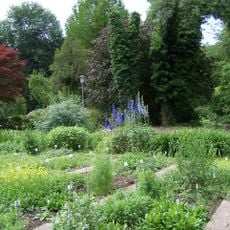
The site is easily accessible on foot and the paths are simple to walk, though sturdy footwear is recommended. The best time to visit is during dry weather when the green spaces are well maintained and the grave markers are clearly visible.
The cemetery began as a burial ground for the poor but later transformed into a place where wealthy university members built elaborate tombs. These differences are still visible today in the varied designs and decorations of the gravestones throughout the grounds.
The community of curious travelers
AroundUs brings together thousands of curated places, local tips, and hidden gems, enriched daily by 91,002 contributors worldwide.