Burg Greene, Medieval castle ruins in Greene Einbeck, Germany.
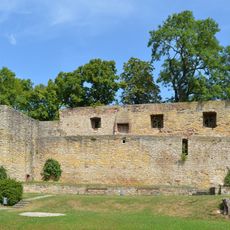
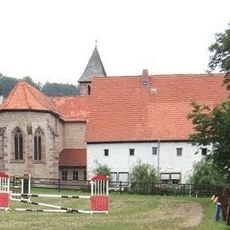
Burg Greene is a medieval castle ruin set on a hilltop in the village of Greene, near Einbeck in Lower Saxony. Portions of the original outer walls still stand, and a rebuilt keep along with an archway lead into the upper part of the fortification.
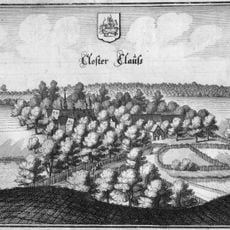
The castle was built in 1308 by the lords of Homburg to protect their estates and a trade route over the Leine. In 1409 it passed by inheritance to Duke Bernhard of Braunschweig, sparking a dispute with the Bishop of Hildesheim, who sold it to the Welfs in 1414 for 12,000 Rhenish guilders while retaining a right of repurchase. Only in 1499 did the Welfs raise the sum and take Greene as an administrative office. In 1553 Vollrad von Mansfeld destroyed the castle, and Duke Heinrich the Younger had it rebuilt at once.
The name of the castle comes from the village of Greene that sits just below the hill. The rebuilt tower stands out from a distance and draws walkers who use the ruins as a resting point with a view over the surrounding countryside.
The grounds are open during the day and have walking paths that give good views over the Leinetal valley. The keep may not always be open, so it is worth checking conditions before you go.
In 1953 the keep became a federal memorial for German prisoners of war, and until 1961 it housed seven million signatures collected by the Heimkehrer association demanding the release of prisoners from the Soviet Union. Wall shrines of the then West German states stood inside, while a cross and plaque remain on the outer wall. The memorial moved to Goslar in 1961, and the lists went to the Goslar city archive in 1996.
The community of curious travelers
AroundUs brings together thousands of curated places, local tips, and hidden gems, enriched daily by 92,842 contributors worldwide.