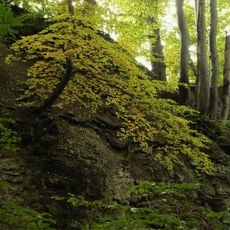
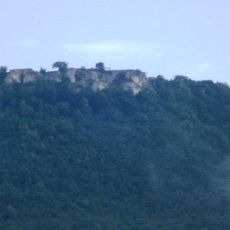
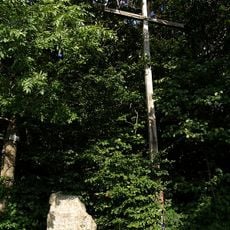
Burg Limburg, Medieval castle ruins in Weilheim an der Teck, Germany.
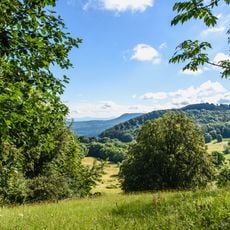
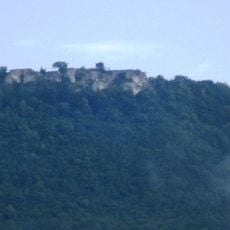
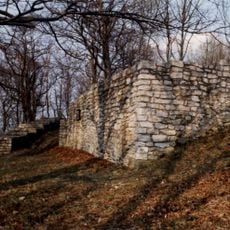
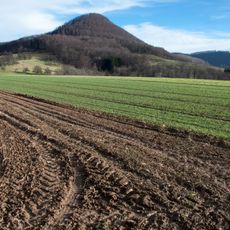
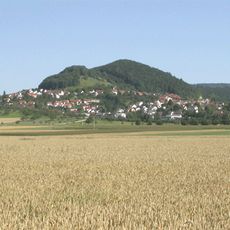
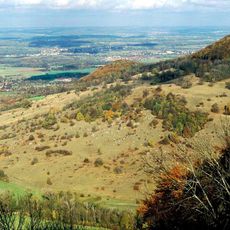
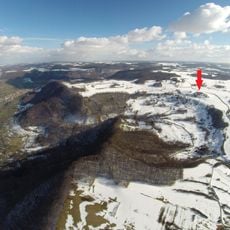
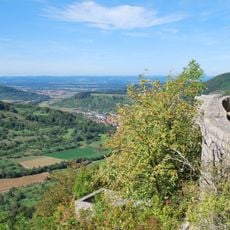
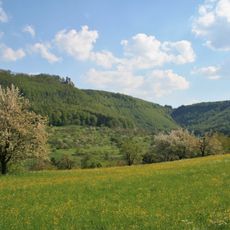
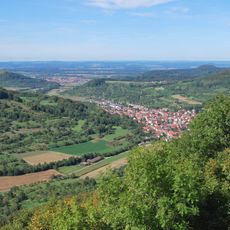
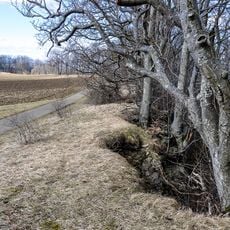
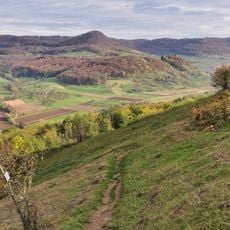
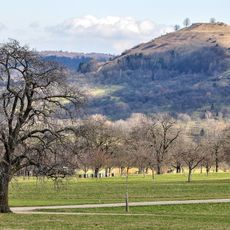
Burg Limburg is a vanished hilltop castle on the 598-meter Limburg, the cone-shaped volcanic mountain overlooking Weilheim an der Teck. No masonry stands above ground; only low rises in the terrain trace the oval main castle, divided by a section ditch into northern and southern parts. The southern tower had a nearly square footprint of 8 by 8 meters, and the later Michaelskapelle occupied the northern area of the core castle, leaving only wall remains in the soil.
Count Berthold I with the Beard built the castle around 1050; it was first mentioned in 1077 and is regarded as his ancestral seat, where he died in 1078. Around 1100 his son Berthold II moved the family seat to Burg Zähringen near Freiburg and took the title Duke of Zähringen. Probably destroyed in the Investiture Controversy, the castle was rebuilt and held by Weilheim vassals of the Zähringen, damaged again around 1130 and rebuilt once more. When the Zähringen built the stronger Burg Teck in 1150, the Limburg lost its importance, passed with Teck to Adalbert, founder of the Dukes of Teck, and was abandoned.
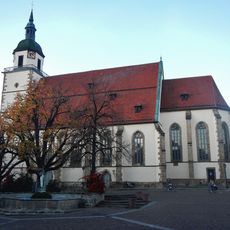
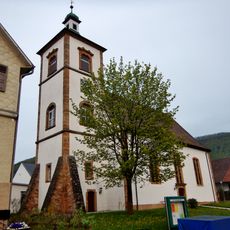
The chapel on the castle grounds dates from the 15th century and is dedicated to Saint Michael. It shows how the site continued to serve as a sacred space even after the original fortress declined.
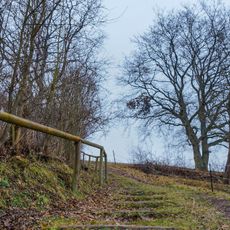
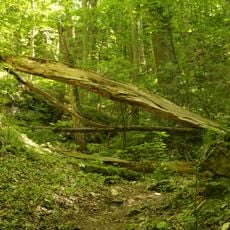
The site is accessible year-round, and visitors should wear sturdy footwear since the path to the summit is steep and uneven. The hill itself is part of a nature reserve that welcomes walking and exploration.
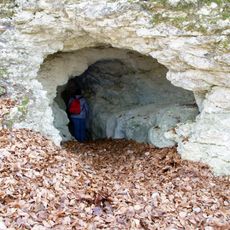
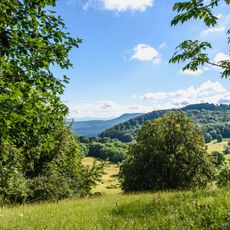
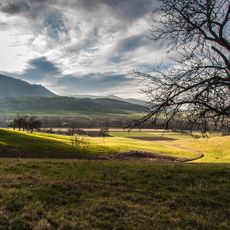
The mountain itself consists of volcanic basalt tuff formed by gas explosions around 17 million years ago. This geological heritage makes the location fascinating for anyone interested in the region's volcanic past.
The community of curious travelers
AroundUs brings together thousands of curated places, local tips, and hidden gems, enriched daily by 93,665 contributors worldwide.