Burg Hohenkarpfen, Medieval castle ruins in Hausen ob Verena, Germany
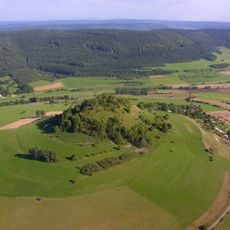
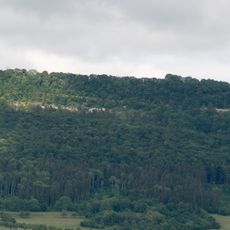
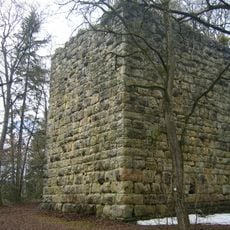
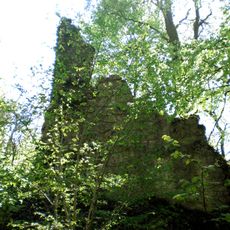
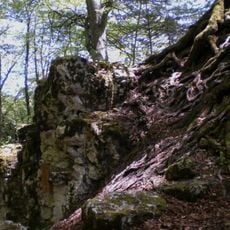
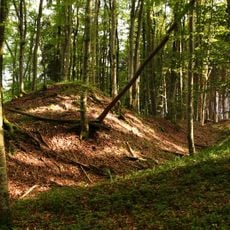
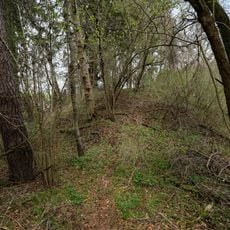
Burg Hohenkarpfen is a castle ruin in Hausen ob Verena in Baden-Württemberg, located at about 911 meters elevation with remnants of a triangular outer bailey, main castle, and square residential tower. The site features several fortification levels arranged one above another with distinctive stone walls.
Burg Hohenkarpfen was built by the Lords and Knights of Karpfen, documented in 1050. In 1382 the Lords of Blumberg held it, and from the late 14th century the Counts of Lupfen-Stühlingen. It was always an imperial fief; after the Karpfen line died out it passed via the Remschinger and Emmershofener to the County of Württemberg in 1444. Hans I von Karpfen, called Wirtenberger, an illegitimate son of Count Eberhard im Bart, received the lordship in 1491 and had the castle repaired. Imperial troops and the Villingen militia destroyed it in the Thirty Years' War, and it was never rebuilt.
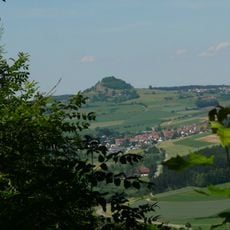
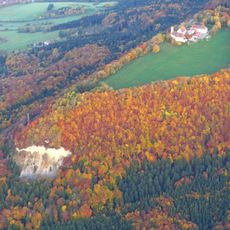
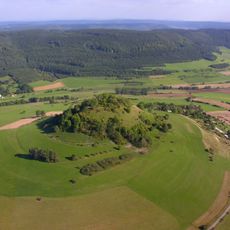
The name Karpfen refers to the noble family of Knights of Karpfen, documented as builders of the castle in 1050. The hill's shape recalls the nearby Hegau volcanoes, though it is made of white Jurassic limestone. Hans I. von Karpfen, called Wirtenberger, a natural son of Count Eberhard im Bart, received the lordship in 1491 and had the castle refurbished.
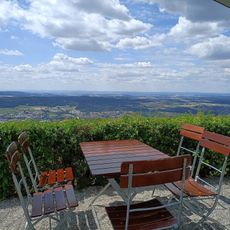
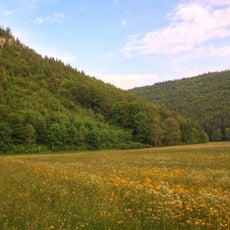
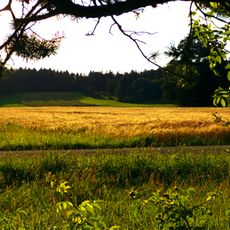
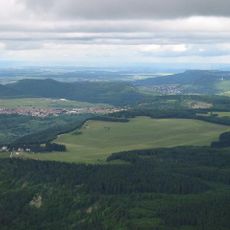
The castle ruin is accessible via marked hiking paths from Hausen ob Verena and offers views across the surrounding landscape. Visitors should wear sturdy shoes since the ground is uneven and sometimes steep.
During the Thirty Years' War, imperial forces and residents of Villingen destroyed the castle, which was never rebuilt afterward. This attack marked the end of its role as a fortress and residence.
The community of curious travelers
AroundUs brings together thousands of curated places, local tips, and hidden gems, enriched daily by 94,368 contributors worldwide.