Bürgergärten, Sculpture garden in Old City, Lübeck, Germany
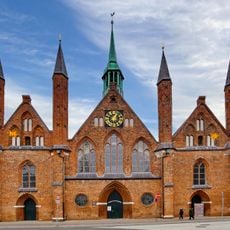
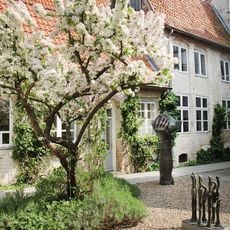
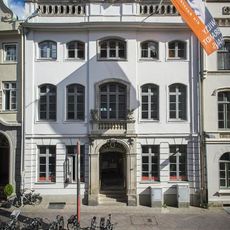
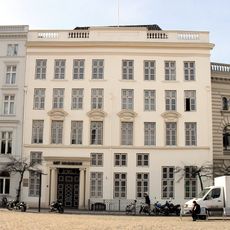
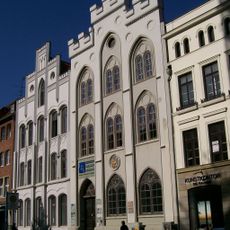
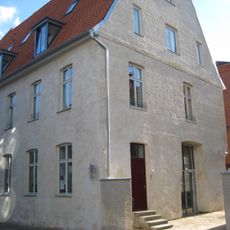
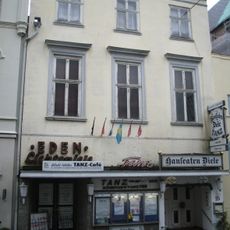
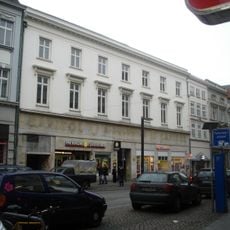
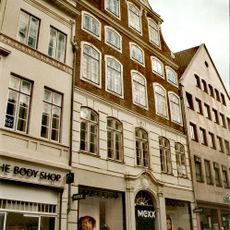
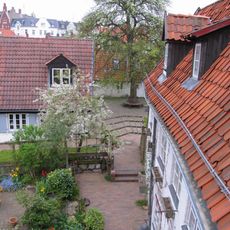
The Bürgergärten is a sculpture garden in Lübeck's Old City, created since 1981 by linking the rear gardens of houses at Königstraße 3–11 with paths through walls and fences. It runs from the Holy Spirit Hospital to the garden wings of the Behnhaus Museum, and its path offers a view of the rear façades of patrician houses with their typical wing buildings.
The garden was established in 1981 and transformed isolated private gardens into a connected park through a new pathway system. This change made private spaces accessible to the public for the first time and opened a new way to discover the hidden side of the Old City.
The gardens hold modern sculptures, including Renée Sintenis's gilded bronze Daphne (1930), cast by Hermann Noack in Berlin and regilded by the artist in 1961. In the Behnhaus garden stands Fritz Behn's bronze Fauchender Leopard (1932) on a brick plinth, and Georg Kolbe's Verkündung (1924), a loan from the Städtische Galerie Frankfurt. Several works in the Gemeinnützigen garden come from a 1983 sculpture symposium, among them Bård Breivik's Fallen Snow in Swedish basalt.
The garden is accessible from several points along Königstrasse, allowing flexible exploration. The pathways are well marked and the layout is relatively flat, making for a leisurely walk.
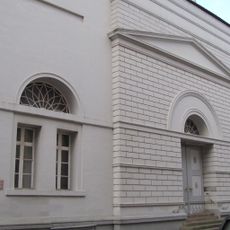
The garden behind the Gesellschaft zur Beförderung gemeinnütziger Tätigkeit holds the rehearsal bungalow of the Lübeck Boys' Choir, built in 1966 to a design by architect Christoph Deecke. The choir's practice house sits among 1980s sculptures rather than in a concert hall.
The community of curious travelers
AroundUs brings together thousands of curated places, local tips, and hidden gems, enriched daily by 94,628 contributors worldwide.