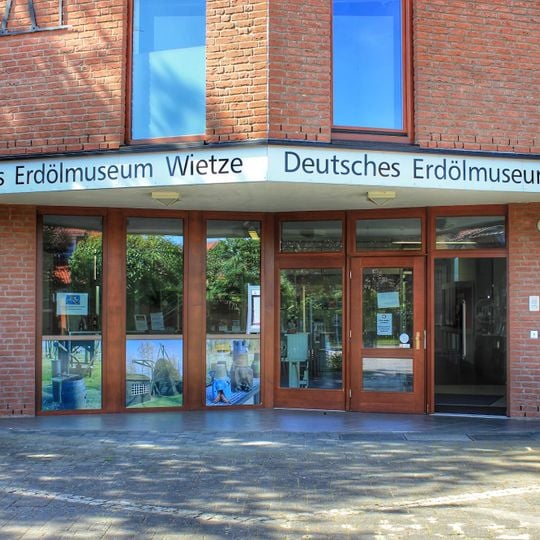
German Oil Museum, Technology museum in Wietze, Germany.
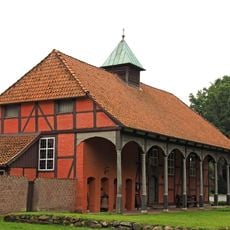
The German Oil Museum is a technology museum set on a former oil field in Wietze, displaying drilling equipment, pumping systems, and measurement devices from different periods. The site includes both indoor exhibits and outdoor installations that show how oil extraction operated in practice.
The museum stands in the core of the former Wietze oil field, where oil-bearing sand was already washed from shallow tar pits in the mid-17th century. In 1858 one of the world's first oil boreholes was sunk beside the largest tar pit, followed by over 2,000 more wells. Between 1900 and 1920 Wietze was Germany's most productive oil field, supplying nearly 80 percent of national output; from 1920 to 1963 oil was also mined underground in the Wietze shaft.
Wietze's oil history reaches back to 1652, when oil-bearing sand was washed in shallow tar pits and the heavy oil sold as axle grease, wood paint and medicine. The museum keeps that memory alive with its journal Ölpost and occasional mining shows where minerals and fossils are traded.
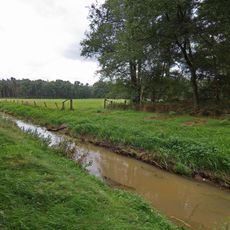
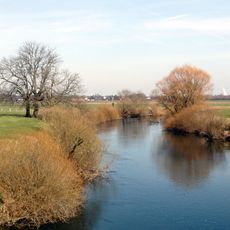
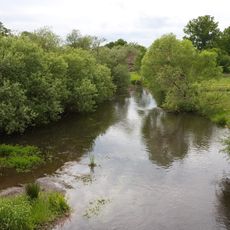
The indoor exhibition covers around 450 m², while the outdoor grounds along the Wietze stream cover about two hectares, so plan to move between two distinct areas. The site lies in the core of the former Wietze oil field, west of Celle. The permanent display was redesigned and reopened in May 2023.
The site features an original Wintershall drilling tower from 1961 that stands roughly 54 meters tall and underwent complete renovation. This tower serves as a tangible reminder of the engineering achievements of that era and ranks among the most notable structures on the grounds.
The community of curious travelers
AroundUs brings together thousands of curated places, local tips, and hidden gems, enriched daily by 93,524 contributors worldwide.