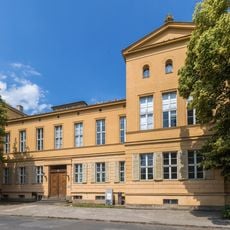
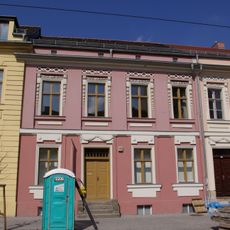
Gedenkstätte Lindenstraße 54/55, Memorial and architectural heritage monument in Nördliche Innenstadt, Potsdam, Germany.
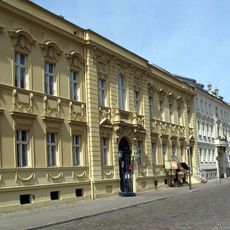
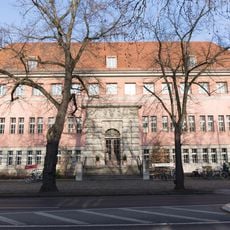
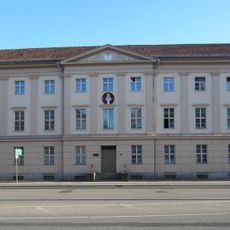
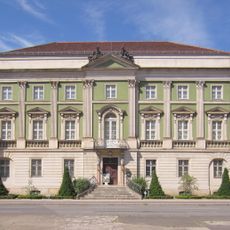
The Gedenkstätte Lindenstraße 54/55 occupies a baroque red-brick palace built 1734–1737 as the Großes Holländisches Haus, later converted into a courthouse with a prison wing added 1907–1910. That wing held 64 single and 6 communal cells for 90 inmates, with separate sections for women and men, plus a chapel.
Built between 1734 and 1737 as the Great Dutch House for King Frederick William I, the building became Potsdam's first elected city assembly venue in 1809 and a courthouse with prison from 1820. From 1933 the Nazis used it as a political detention and hereditary health court site. In summer 1945 the Soviet NKVD seized it as a central investigation prison for Brandenburg; the Stasi continued this until 1989.
The memorial shows how prisoners from different periods of German history suffered and resisted in this place. The exhibitions make visible who was imprisoned here and why their stories matter today.
The memorial occupies the former courthouse and the 1910 prison wing at the rear of the courtyard, which held 64 single and six communal cells. Visitors move through the original cells, interrogation rooms and court rooms; the site is reached from Lindenstraße in central Potsdam. Allow time for the personal accounts in the exhibitions.
The building's prison wing, completed in 1910, held 64 single cells and six communal cells for 90 inmates, with men and women housed separately. It also had cellar and utility rooms, shower cells and a chapel. The writer Theodor Storm worked as an assessor at the Potsdam district court here from 1853 to 1856.
The community of curious travelers
AroundUs brings together thousands of curated places, local tips, and hidden gems, enriched daily by 92,807 contributors worldwide.