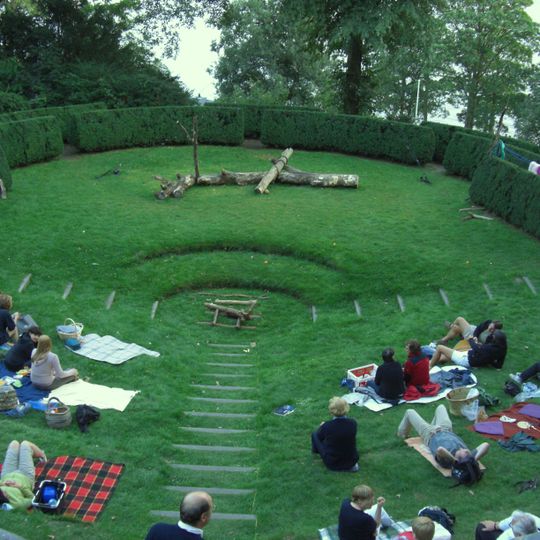
Römischer garden, Heritage garden in Blankenese, Germany
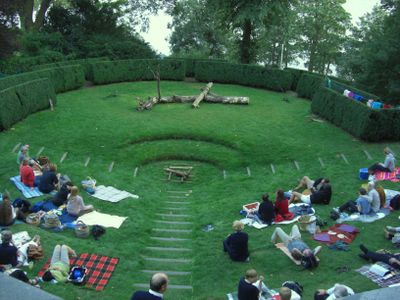
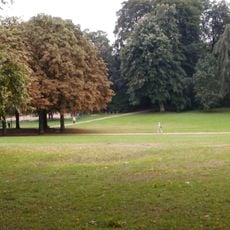
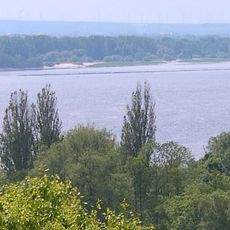
The Römischer Garden is a heritage park in Hamburg that slopes upward from the Elbe riverbank across multiple levels. It features stone staircases, planted flowerbeds, smooth grass areas, and a reflecting pond that sits as a focal point among the terraces.
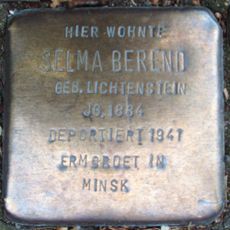
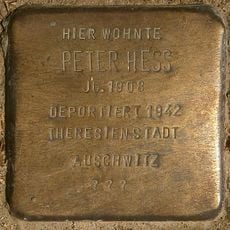
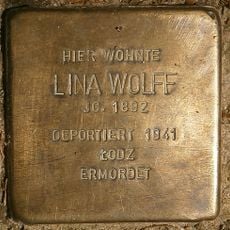
The slope was first laid out as a park between 1880 and 1890; the terraced structure was created by Emilio Richter on behalf of his brother Julius Richter, who planted clipped thuja hedges, false cypresses and cedars. The banker Moritz M. Warburg bought the land in 1897, and from 1913 to 1924 Max and Alice Warburg had the garden redesigned by Rudolph Jürgens and then Else Hoffa. The Warburgs had to emigrate during the Nazi period; they recovered the property after the war and gave it to the city of Hamburg in 1951 on condition that it be maintained. It was restored in the 1980s.
The name Römischer Garten comes from the southern European design forms and plants used here, not from a Roman origin. The garden is laid out in Art Nouveau style and is protected as a garden monument under Hamburg's heritage law. Its evening festivals with torchlight, theatre and dance, held by the Warburg family, were well known in Hamburg.
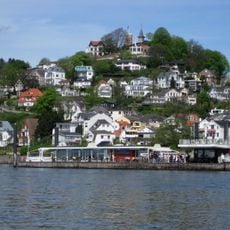
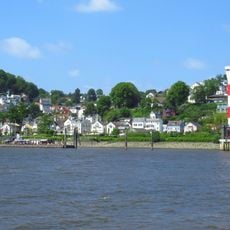
The garden lies on the south slope of the Polterberg, about 30 metres above the Elbe. The 128 stone steps from Falkensteiner Ufer are the direct route; the slope is terraced, so expect uneven ground and allow time to rest on the climb.
The garden's name comes from its southern European planting and forms, not from a Roman ruin. The central axis holds the Römische Terrasse, a lawn with a small water-lily basin called the "Mirror of Heaven"; a garland hedge of thuja frames the view over the Elbe.
The community of curious travelers
AroundUs brings together thousands of curated places, local tips, and hidden gems, enriched daily by 92,810 contributors worldwide.