Jan-Wellem-Denkmal, Bronze monument in Mülheim, Germany
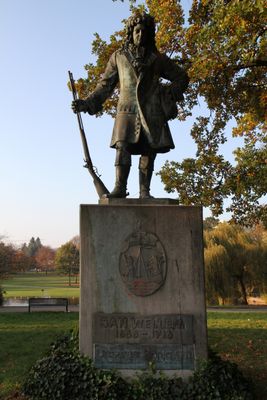
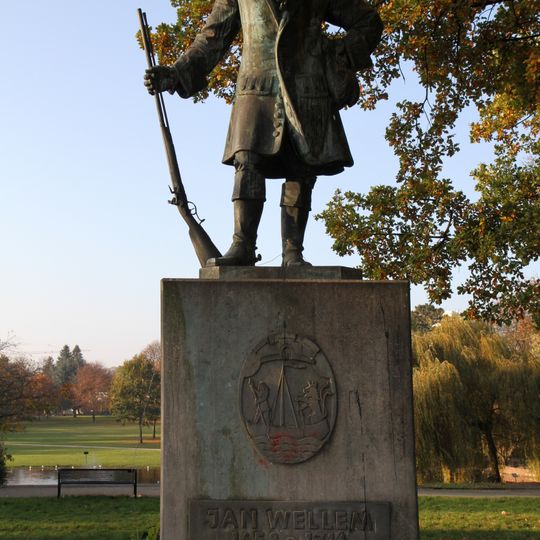
The Jan-Wellem-Denkmal is a 3.15-metre bronze figure by Eduard Schmitz depicting Johann Wilhelm in hunting clothes with boots, a rifle and a tricorn hat. It stands on a baroque-style pedestal bearing Mülheim's city coat of arms, with two inscribed plaques reading "Jan Wellem (1658–1716)" and "Unserem König 1711".
The monument was unveiled in 1914 shortly after Mülheim's incorporation into Cologne, commemorating the area's textile manufacturing heritage through the Andreae family's lengthy industrial presence. This placement marked a significant moment in the city's urban development.
The two plaques on the pedestal read "Jan Wellem (1658–1716)" and "Unserem König 1711", recalling that in 1711 Johann Wilhelm was made Schützenkönig of the St.-Sebastianus-Schützenverein during a visit to Mülheim and received a chain with bird and shield. The monument was donated by Christoph Andreae, whose Protestant family had been granted residence in Mülheim on 18 June 1714 after leaving Cologne.
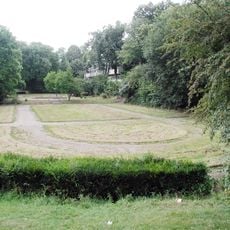
The monument is now located in the city garden where it is easily accessible to visitors who wish to read the historical inscriptions. The site is well-maintained and inviting for leisurely walks through the surrounding green spaces.
The 3.15-metre bronze figure by Eduard Schmitz shows Johann Wilhelm in hunting dress with boots, rifle and tricorn hat. Two plaques on the pedestal read "Jan Wellem (1658–1716)" and "Unserem König 1711", recalling his 1711 visit when Mülheim's St. Sebastianus marksmen made him their king.
The community of curious travelers
AroundUs brings together thousands of curated places, local tips, and hidden gems, enriched daily by 94,201 contributors worldwide.