Motte Zoppesmur, Medieval castle ruin in Leysiefen, Leichlingen, Germany
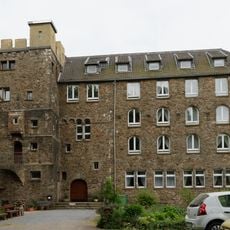
Motte Zoppesmur, also called Burgruine Leysiefen, is a ruined early to high medieval castle near the hamlet of Leysiefen, about 200 metres from the left bank of the Wupper. Its castle mound measures roughly 50 metres across and stands about 9 metres high; an 8-metre-deep moat was cut into the slope, and a ring wall with an artificial rampart enclosed the mound. Only ground disturbances, wall remains and visible foundations survive.
The castle was probably built around 1200 by the Bergish knightly family Zobbe, later called de Leysiefen. Excavations in the 1930s found pottery from the 11th and 12th centuries, but a 1950s test dig by Fritz Hinrichs gave no closer dating. In 1280 Ritter Adolf von Leysieffen sold the 'Zobbesmur' to Count Adolf von Berg and his wife Elisabeth von Geldern for 400 Cologne marks; the deed is the only documentary mention, and the site was later abandoned.
The name Leysiefen combines "Ley", a Rhenish and Low German word for rock or rock ledge, with "Siefen", a narrow damp valley with a spring stream. Locals call the ruin Motte Zoppesmur, meaning Zobbe's walls, after the knightly Zobbe family. Legends tell of a robber band's camp, buried treasure guarded by spirits, and a junker blinded after trying to steal the clothes of elves bathing at Heribertsborn.
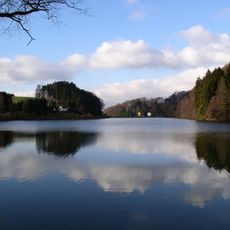
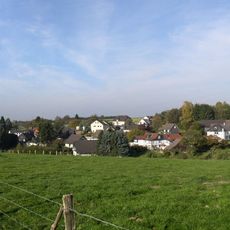
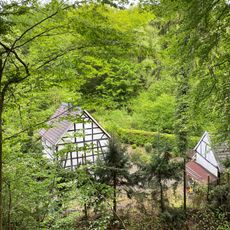
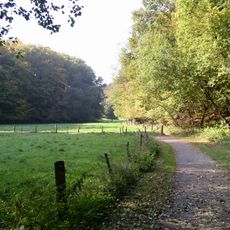
The ruins sit in an elevated position offering views over the Wupper valley and surrounding landscape. Access is possible but requires care due to the natural slope and lack of modern facilities at the site.
The name Zoppesmur means "Zobbe's walls", from the knightly Zobbe family who built the castle and later called themselves de Leysiefen. The separate name Leysiefen combines "Ley", a Rhenish word for rock ledge, with "Siefen", a damp narrow valley with a brook — literally a rock with a stream valley.
The community of curious travelers
AroundUs brings together thousands of curated places, local tips, and hidden gems, enriched daily by 94,320 contributors worldwide.