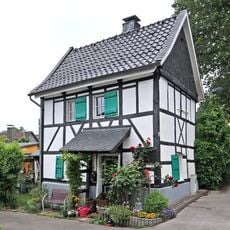
Wipperkotten, Historic grinding workshop at Wupper River, Germany
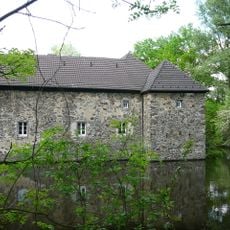
Wipperkotten is a double grinding mill on the north bank of the Wupper in southern Solingen, built in half-timbered style. Its two two-storey buildings with pitched roofs are separated only by a narrow water channel. An upper canal leads water from a weir to two undershot water wheels, each on its own wooden shaft, driving grinding stones and polishing discs.
The Wipperkotten was probably built around 1600 and is first documented in 1605 in the lease records of Nesselrath estate. In the 17th century the double mill offered 12 to 16 grinding workplaces. A gunshot set the thatched roof alight in 1783, destroying both the Wipperkotten and the neighbouring Schaafenkotten; it was rebuilt soon after. In 1858 the inner mill burned down and was rebuilt in its present form, while the outer mill was raised by a storey.
The name Wipperkotten refers to the grinding work that has defined this place for centuries, with craftsmen shaping blades and tools for daily use. Today you can observe how the outer workshop continues operating and preserves the craft skills that made Solingen known across Europe for metalware.
The workshop has limited opening hours and visiting by advance arrangement is recommended to see the craftspeople at work. Wear comfortable shoes as you will need to cross a bridge to reach the inner building and navigate uneven floors typical of older industrial spaces.
The workshop preserves its original water-powered machinery that still operates today, showing how nature powered the production of metal tools centuries ago. This direct link between the stream and the grinding stones explains why early industrial sites needed to be located on rivers.
The community of curious travelers
AroundUs brings together thousands of curated places, local tips, and hidden gems, enriched daily by 94,498 contributors worldwide.