Büchenberg Pit, Historical iron ore mine in Oberharz am Brocken, Germany
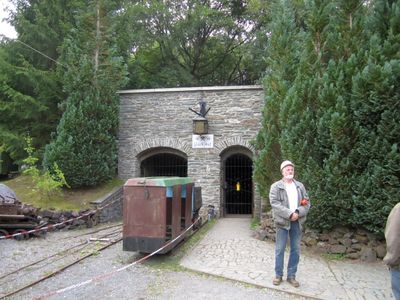
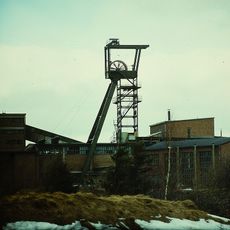
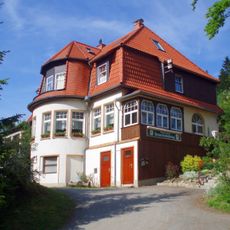
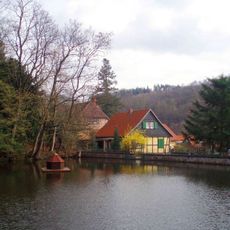
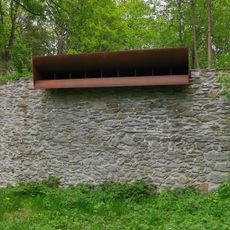
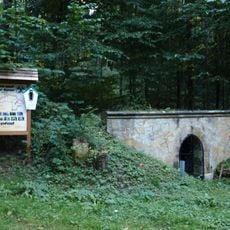
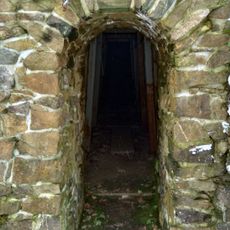
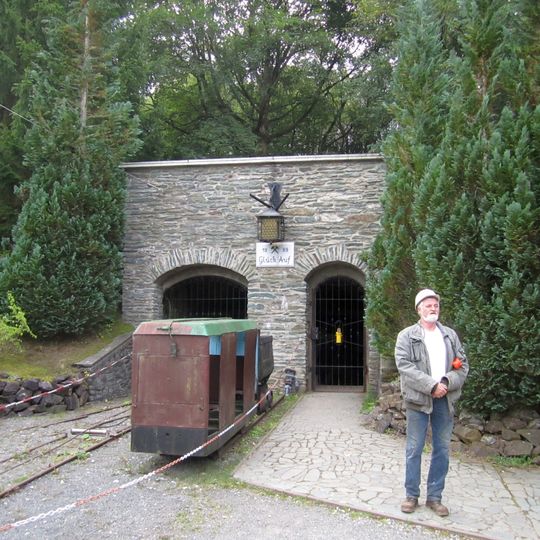
Büchenberg Pit is a former iron ore mine in Oberharz am Brocken, in the Harz Mountains of Germany, with underground tunnels and extraction chambers cut into the rock. The surface buildings and the accessible underground sections together give a direct picture of how ore was located, extracted, and brought to the surface.
Iron ore was mined at Büchenberg from 1936, after Mannesmann took over the pit, to supply the armaments industry; only ore with an iron content above 35% was worked. From 1937 to 1940 an 8,650-metre cableway carried the ore from the Rothenberg shaft to Minsleben, up to 840 tonnes a day. After a postwar halt, production resumed in 1946 under state ownership, and the mine closed on 30 April 1970.
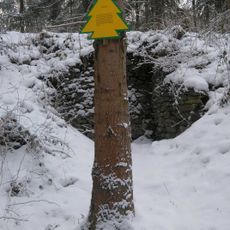
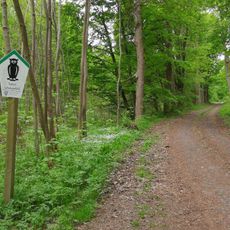
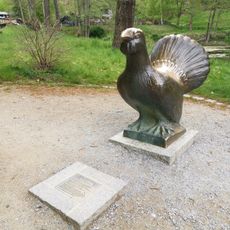
The mine is checkpoint 37 of the Harzer Wandernadel, a network of stamping posts across the Harz. Hikers press a stamp into their booklet at each post; the Elbingeröder Bergbaulehrpfad, a mining trail, also begins and ends at the pit. The site is leased and no longer run by the town of Elbingerode, as it was until 1 July 2006.
Visits to the underground sections are normally done as part of a guided tour, so it is worth checking in advance when tours run. The interior stays cold and damp year-round, so bringing a warm layer and wearing sturdy shoes makes the experience more comfortable.
The ore formations visible inside the mine show clear mineral veins that even a non-specialist can read, making it easy to understand why this particular hill was chosen for extraction. Few places in the Harz offer that kind of direct contact with the raw geology behind centuries of mining.
The community of curious travelers
AroundUs brings together thousands of curated places, local tips, and hidden gems, enriched daily by 94,374 contributors worldwide.