Bodfeld, Medieval royal hunting palace in Oberharz am Brocken, Germany
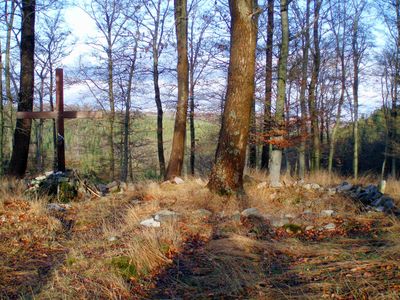
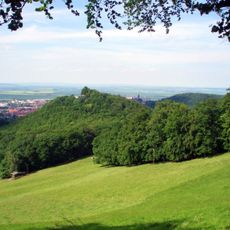
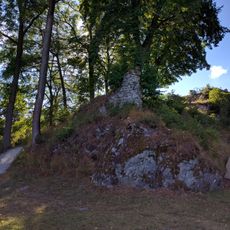
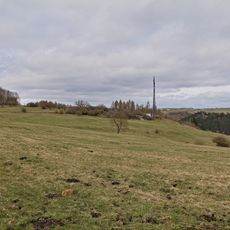
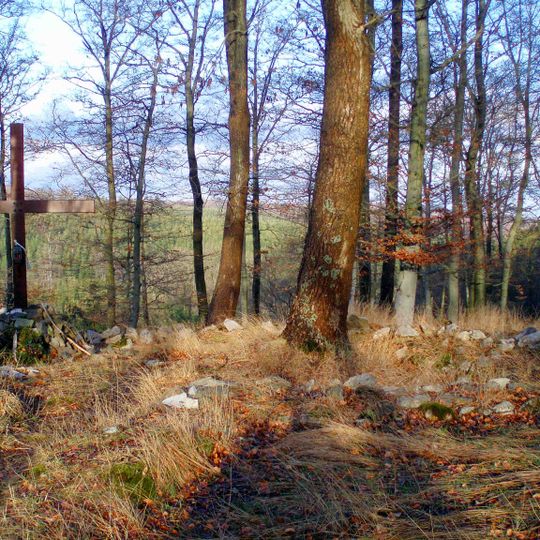
Bodfeld is a castle ruin positioned on a hill crest called Schloßkopf, with visible foundations of the former imperial palace including round towers and meeting halls. The site spans several levels and displays the remains of different building complexes that served royal functions during the Ottonian and Salian periods.
Bodfeld was a royal hunting lodge first documented in 936, when Otto I called it a Jagdhof; at least 17 royal stays are recorded. Henry III issued his last charter there on 28 September 1056 and died on 5 October 1056 in the presence of the pope. Henry IV was raised as German king at Bodfeld in 1056. The site's location was forgotten by the late 13th century.
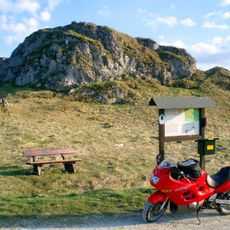
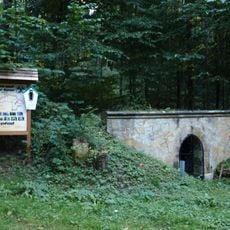
The name Bodfeld comes from the River Bode, though the site at the Schloßkopf lies four to five kilometres from it. Monarchs held court here but never celebrated major church festivals at Bodfeld, doing so instead in Quedlinburg, Magdeburg or Goslar. An information board at the site shows the layout: a chapel, two round towers, a great hall and a second assembly hall.
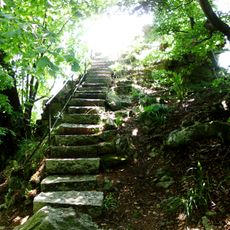
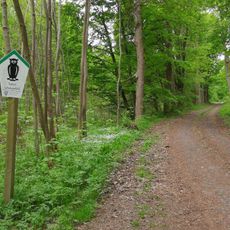
The ruins are accessible from Elbingerode via several hiking trails including the Erzgrube Büchenberg loop and Schornsteinberg circuit, which pass through varying terrain. Sturdy footwear is recommended since the paths are uneven and the site sits on elevated ground.
Historical records indicate that at least 17 different kings and emperors visited the site, including Henry I and Otto I, highlighting its exceptional importance to the realm. These numerous visits show that the castle was not merely a casual stop but a preferred destination for the ruling dynasties.
The community of curious travelers
AroundUs brings together thousands of curated places, local tips, and hidden gems, enriched daily by 93,808 contributors worldwide.