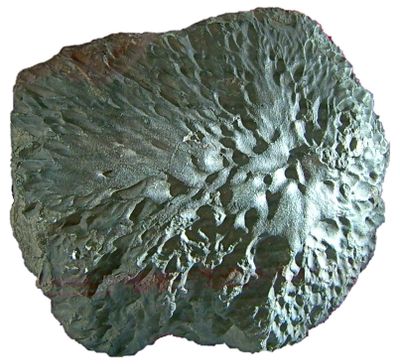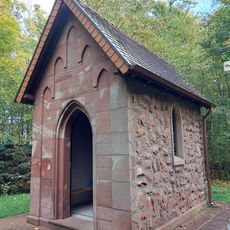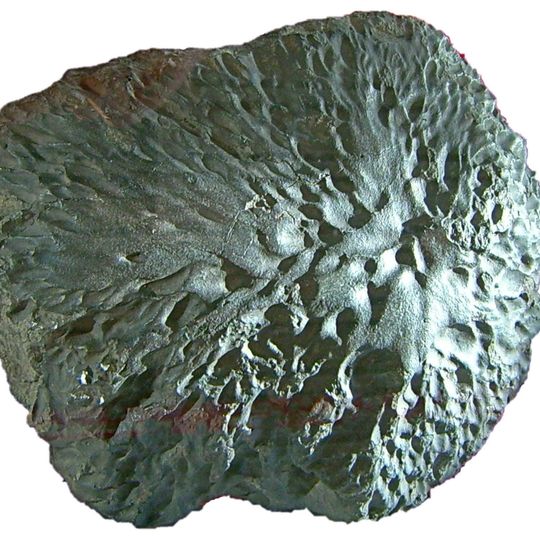
Krähenberg, Meteorite museum collection at Palatinate Museum of Natural History, Germany
Krähenberg is an LL chondrite meteorite housed in the Palatinate Museum of Natural History in Bad Dürkheim. The rock displays a grainy texture with distinct mineral grains visible to the naked eye, representing material that formed in the early solar system.
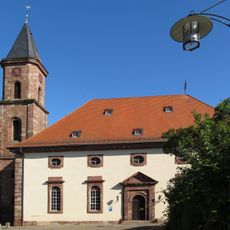
This meteorite fell to Earth in 1869 in the Sickingen Heights region of Germany. The event attracted immediate scientific attention, and researchers studied the specimen to understand its composition and cosmic origins.
The meteorite resides in the Palatinate Museum, which maintains geological specimens and provides educational programs about extraterrestrial materials.
The meteorite can be viewed during regular museum hours, which operate Tuesday through Sunday with guided tours available. Visitors should allow time to explore other geological specimens and displays housed in the same collection.
The specimen contains less iron than other chondrite types and shows signs of changes caused by heat and pressure during its journey through space. These features make it valuable for scientists studying the conditions that existed in the earliest days of our solar system.
The community of curious travelers
AroundUs brings together thousands of curated places, local tips, and hidden gems, enriched daily by 92,389 contributors worldwide.