Sesselfelsgrotte, Prehistoric cave in Essing, Germany.
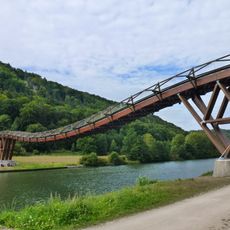
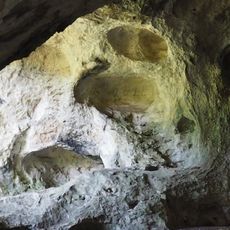
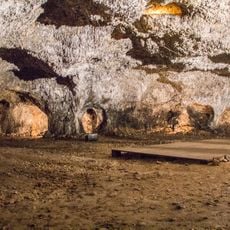
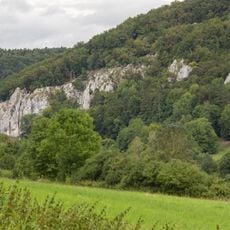
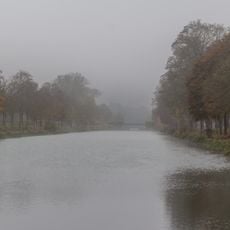
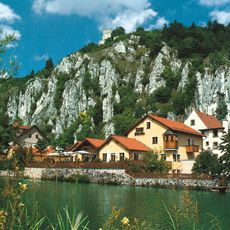
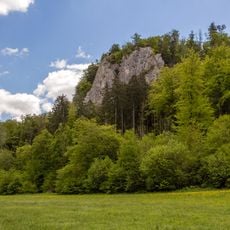
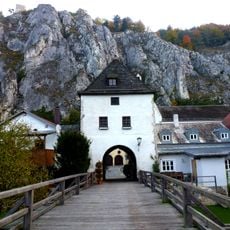
Sesselfelsgrotte is a limestone cave positioned above the Altmühl River in Essing. Its interior contains thick layers of sediment stacked on top of each other, each representing different periods of human occupation and environmental change.
The cave served as a shelter during the Middle and Upper Paleolithic periods, hosting different human groups over thousands of years. Major excavations in the 1960s and 1980s revealed tens of thousands of objects that documented these ancient occupations.
Scientists discovered fourteen Neanderthal remains in the cave, including a rare eight-month-old fetus and two milk teeth from different periods.
The cave sits several meters above the river valley, making it accessible for most visitors who can manage moderate elevation. Wearing sturdy footwear is advisable since the ground can be uneven and slippery depending on weather conditions.
The cave holds remains of Neanderthals, including remarkably rare bones from infants and young children spanning different time periods. These discoveries suggest that family groups with small children used this shelter repeatedly across many generations.
The community of curious travelers
AroundUs brings together thousands of curated places, local tips, and hidden gems, enriched daily by 60,000 contributors worldwide.