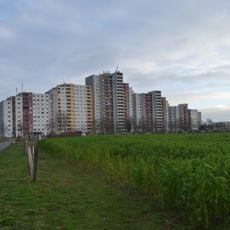
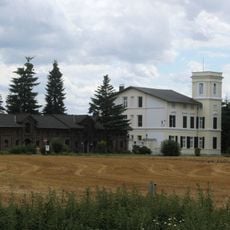
Wolsberge, Mountain summit in Siegburg, Germany
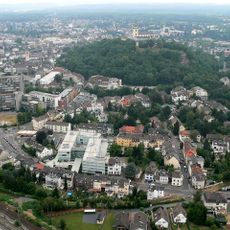
Wolsberge consists of two distinct peaks, with Riemberg reaching 120 meters and Wolsberg at 110 meters above sea level. The summits show clear traces of stone extraction from earlier centuries.
These mountains formed around 25 million years ago during the Tertiary period through volcanic activity, creating basaltic tuff cone formations. This geological creation shaped the landscape permanently.
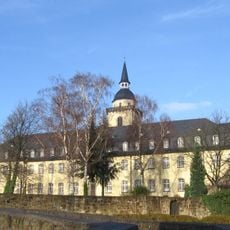
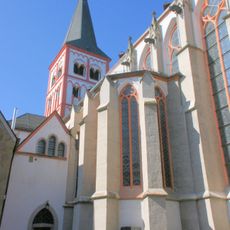
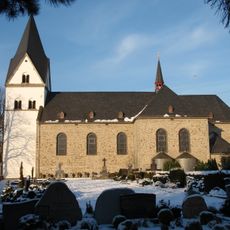
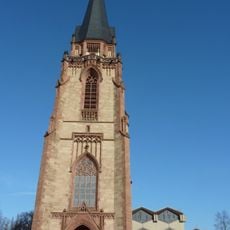
Stone from Wolsberge supplied building materials for medieval structures in Siegburg, including Michaelsberg Abbey and Servatiuskirche. This local stone sourcing shaped the town's appearance over centuries.
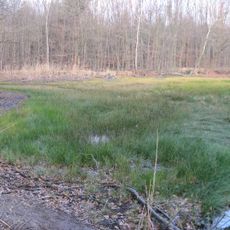
The summits are best visited on foot, as they are accessible via marked walking trails. The area was restored after quarrying ended in 1906 and now offers good hiking opportunities.
The 'faule Ei' was a volcanic bomb about 2.5 m long, once found at the Wolsberge; it was blown up in 1989. Its size showed that the tuff here is the hardened fill of a volcanic vent, not the remnant of a wide ash layer.
The community of curious travelers
AroundUs brings together thousands of curated places, local tips, and hidden gems, enriched daily by 94,433 contributors worldwide.