Georg Kolbe Museum, Art museum in Charlottenburg-Wilmersdorf, Germany
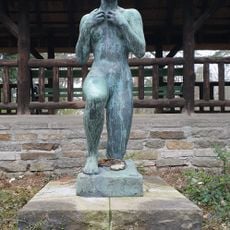
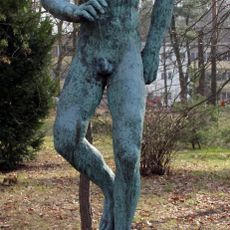
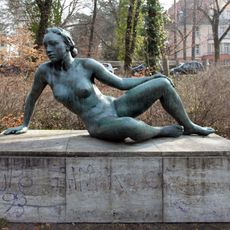
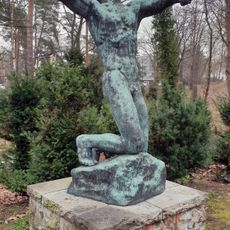
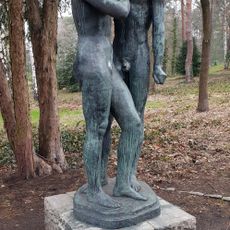
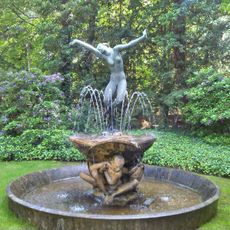
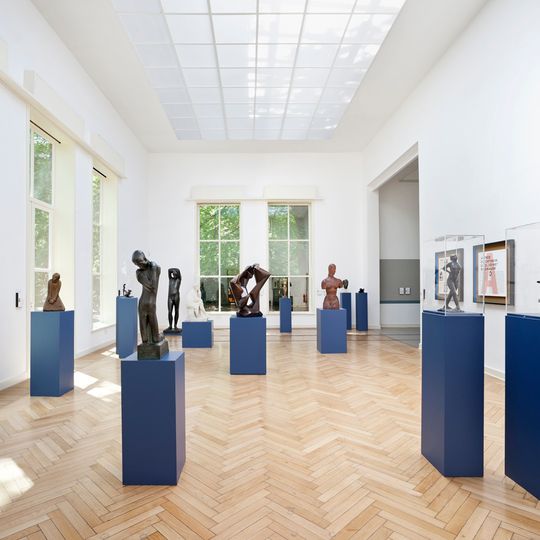
The Georg Kolbe Museum is an art museum in two connected brick buildings in the Charlottenburg-Wilmersdorf district of Berlin, fitted with large skylights and tracks for moving sculptures. The rooms display sculptures, drawings, and prints made and collected by the artist, shown in his former living and working spaces.
Sculptor Georg Kolbe had the studio house built in 1928–1929 to designs by Ernst Rentsch and Paul Linder, with brick facades and banded windows around a sculpture garden. Kolbe lived and worked here until his death in 1947; a 1943 bomb attack damaged the house. The Georg Kolbe Foundation, founded in 1949, opened it as a museum in 1950, and since 1978 Berlin has funded it on condition that other artists' works are shown.
The museum shows the works of a sculptor in the rooms where he actually worked and lived, giving visitors a direct sense of how he approached his craft. You can still see how the studio was arranged and how sculptures, drawings, and prints were made side by side.
The museum occupies the former studio house at Sensburger Allee 25/26 in Westend, with the entrance area and sculpture garden on the same grounds. The 1996 extension by Architektengruppe AGP added two lower-level exhibition rooms and the depots, reached from the main building. The neighbouring house, restored in 2020/2021, holds the museum café Benjamine and the library.
The studio-house was built in 1928–1929 to designs by Ernst Rentsch and Paul Linder, not by a single architect. Kolbe worked with Mies van der Rohe, who placed his sculpture Der Morgen in the Barcelona Pavilion of 1929. The house is the only 1920s artist's residence in Berlin open to the public as a museum.
The community of curious travelers
AroundUs brings together thousands of curated places, local tips, and hidden gems, enriched daily by 92,873 contributors worldwide.