Glasebach Pit, Mining museum in Straßberg, Saxony-Anhalt, Germany.
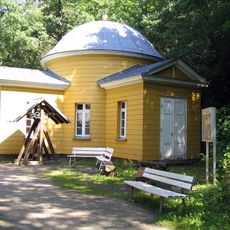
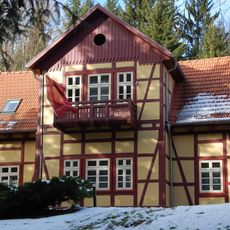
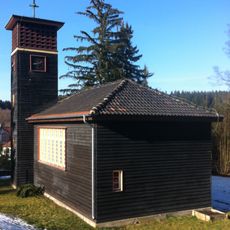
Glasebach Pit is a former fluorite and silver mine in the Glasebach valley near Straßberg, run as a mining museum by the Montanverein Ostharz. Its above-ground area is dominated by a 12-metre steel headframe erected in 1976, and wooden barracks from the 1950s. Underground, visitors see the shafts and galleries where ore was worked, including a historic water-powered pump chamber rediscovered in 1992.
Mining around Straßberg dates to about 1400, but the pit itself was first documented in 1689 as Seidenglanz. In 1701 Georg Christoph von Utterodt re-registered it as Vertrau auf Gott, and from 1729 it was worked as Glasebach. Fluorite extraction ended in 1982, and the last descent took place on 5 January 1990.
The site shows how miners worked under difficult conditions across generations and passed down their skills to one another. This work shaped the identity of people in the region and connected them to the story of the Harz.
Tours are organized by the East Harz Mining Society and guide visitors through underground tunnels. The visit requires steady footing and awareness of underground mining conditions.
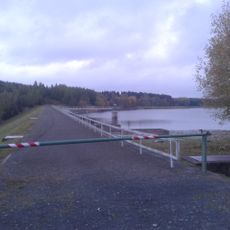
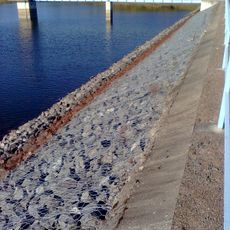
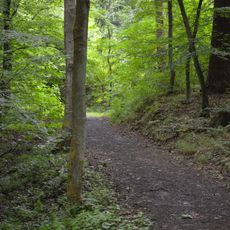
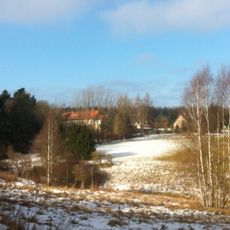
The show mine is checkpoint 175 of the Harzer Wandernadel hiking system, so walkers stamp a box here on the trail through the Glasebach valley. The museum also keeps the wooden Grundablass of the Lower Kilian Dam, one of Germany's oldest dams, recovered in 1990 during renovation work and conserved beforehand by the Harzwasserwerken in Clausthal-Zellerfeld.
The community of curious travelers
AroundUs brings together thousands of curated places, local tips, and hidden gems, enriched daily by 94,096 contributors worldwide.