Glockenmuseum Stiftskirche Herrenberg, Bell museum in Herrenberg, Germany
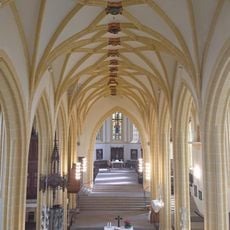
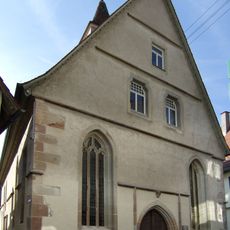
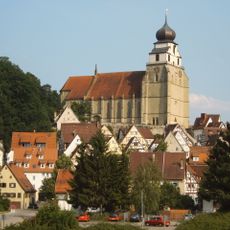
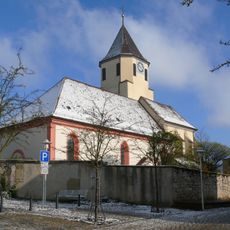
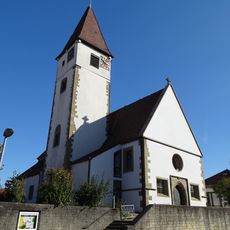
The Glockenmuseum Stiftskirche Herrenberg occupies the bell tower of the Protestant Stiftskirche in Herrenberg. Its roughly 120 bells include the main peal, an eleven-bell Zimbelgeläut cast by eight foundries in Germany, Austria and Switzerland, and a 50-bell carillon inaugurated on 24 June 2012. The Armsünderglocke is considered the oldest surviving bell in Württemberg, and a Gothic Zuckerhutglocke and a recast of an over 850-year-old beehive bell from Thuringia are on show.
Founded in 1990, the museum preserves bells spanning 12 centuries, with some specimens exceeding 1000 years in age. The collection focuses on bells from German-speaking regions, documenting the long tradition of bell-casting across this cultural area.
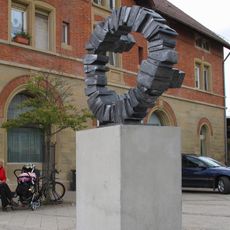
The museum is run by the association for the preservation of the Stiftskirche and was founded in 1990 on the proposal of dean Dieter Eisenhardt. Most exhibits still serve their original purpose: the bells ring according to a fixed Läuteordnung for the clock strike and the church year. Since 2009, some 40 bell-bronze paving stones set into the ground mark the Glockenweg from the station to the church.
The museum has been closed since early 2023 because of stricter fire-protection requirements, and reopening is uncertain. About 40 bell-bronze paving stones set into the ground since 2009 mark the Glockenweg from the railway station to the Stiftskirche, so the route is easy to follow even without local knowledge. Guided tours were offered in German and English.
The Armsünderglocke is considered the oldest surviving bell in Württemberg. Among the holdings are a Gothic sugar-loaf bell and a recast of a beehive bell from Thuringia over 850 years old. The eleven bells of the Zimbelgeläut were cast by eight different foundries in Germany, Austria and Switzerland.
The community of curious travelers
AroundUs brings together thousands of curated places, local tips, and hidden gems, enriched daily by 93,267 contributors worldwide.