Gründerzeitmuseum im Gutshaus Mahlsdorf, Manor house museum in Mahlsdorf, Germany
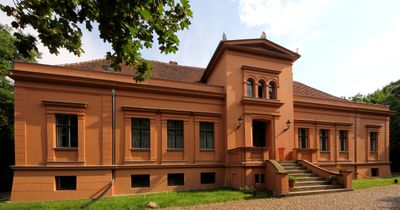
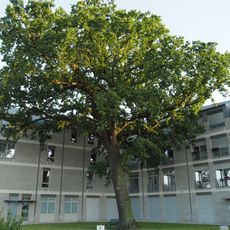
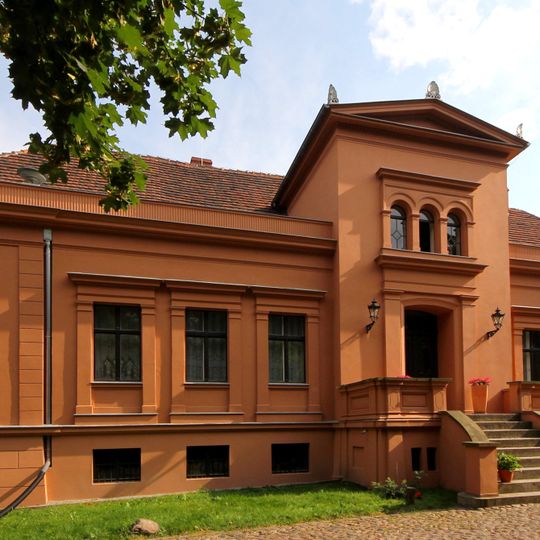
The Gründerzeitmuseum im Gutshaus Mahlsdorf occupies a late-classicist country villa at Hultschiner Damm 333, rebuilt from 1869 with a large garden staircase and enfilades. Its 17 fully furnished rooms hold furniture and everyday objects of the bourgeoisie from 1870 to 1900, mostly in Neo-Renaissance style, plus a Neo-Gothic dining room and a garden hall used for weddings.
The manor house was built around 1780 and converted into a museum in 1960 by Charlotte von Mahlsdorf. She spent decades gathering objects from the Founder Epoch, creating a living archive of 19th-century domestic culture.
The museum holds 17 fully furnished rooms with furniture and everyday objects of the bourgeoisie from 1870 to 1900, including two ladies' salons, a gentlemen's room and a bedroom. Most rooms follow the Neo-Renaissance style favoured by the small and middle bourgeoisie, while a dining room is Neo-Gothic, a style valued by the upper bourgeoisie. The garden hall, added at the end of the 19th century, is furnished as a "good room" and now serves as a wedding venue.
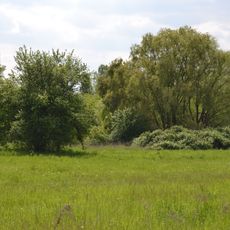
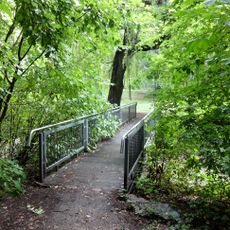
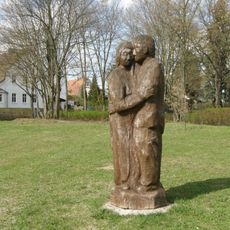
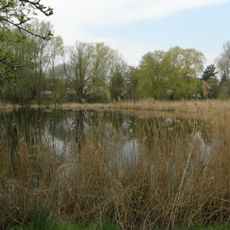
The museum is at Hultschiner Damm 333 in Mahlsdorf, in Berlin's Marzahn-Hellersdorf district. The grounds include a manor park south of the house, laid out as a landscape park in the 1880s and open to the public; a memorial stone there commemorates Charlotte von Mahlsdorf. The garden hall and the roof space are used for weddings and events, so some rooms may be closed during functions.
The oldest surviving Berlin pub interior, the Mulackritze (around 1890), is installed on the upper floor of the museum, not in the basement. Charlotte von Mahlsdorf salvaged the Zille-Kneipe and rebuilt it among the furnished rooms.
The community of curious travelers
AroundUs brings together thousands of curated places, local tips, and hidden gems, enriched daily by 94,329 contributors worldwide.