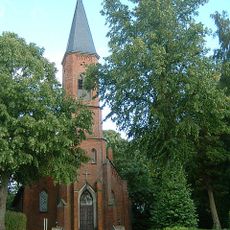
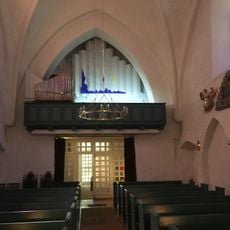
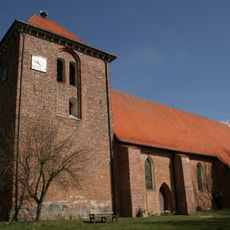
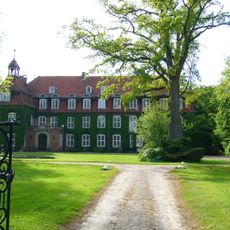
Gut Testorf, Estate and cultural heritage monument in Wangels, Germany.
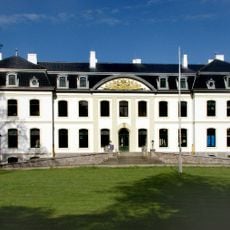
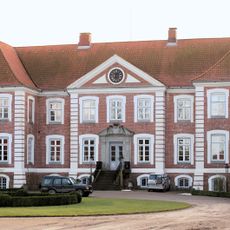
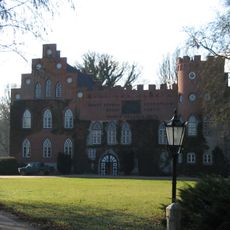
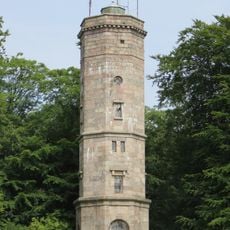
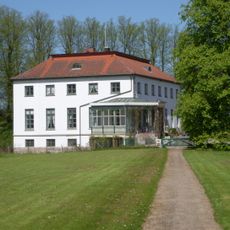
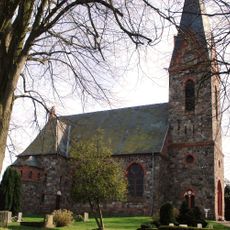
Gut Testorf is a traditional manor estate in the municipality of Wangels in northern Germany, comprising multiple buildings and cultivated grounds. The property includes various structures of different sizes that together form the character of a rural aristocratic residence.
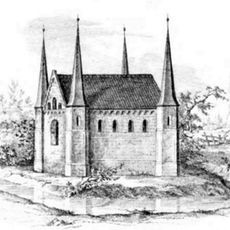
From the Middle Ages the land belonged to the Benedictine abbey of Cismar. In 1460 it passed to the Buchwaldt family, who built a fortified house around 1482; the estate economy was set up from 1565 under the Blome family. Their manor of 1606 was destroyed in 1644 during the Thirty Years' War, and after the Blomes left in 1681 the property changed hands repeatedly, including Hesse-Kassel, Reventlow and Brockdorff, before the Abercron family, of Scottish origin, acquired it in 1879 and still farms it.
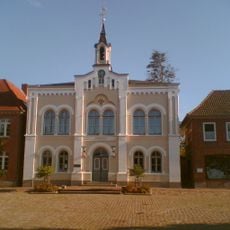
The name Testorf comes from the estate itself, not from a family: the Buchwaldts founded it in 1460, but the Blomes, Reventlows, Brockdorffs and Abercrons held it later. The gatehouse of 1769, modelled on Gut Hasselburg's, is the formal entrance to the courtyard, with the manor house behind it.
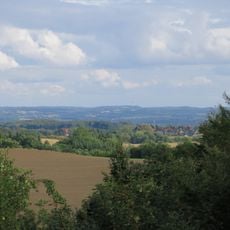
Gut Testorf is a working farm, not a site open to visitors, so the buildings and courtyard are seen from the public roads and paths around Wangels. The estate lies on a former moated island; the baroque layout and lime avenues survive in its structure, and from 1870 a landscape park with sightlines toward Hansühn was laid out.
The wheat barn's core timber frame dates from 1670; Dietrich Wittmaak extended it in 1767, and the year is carved on the west gable, which keeps its original gates and hatches. The cellar of the 1774 manor house still holds vaults of the first house of 1482.
The community of curious travelers
AroundUs brings together thousands of curated places, local tips, and hidden gems, enriched daily by 92,668 contributors worldwide.