Gut Petersdorf, Lensahn, Cultural heritage estate in Lensahn, Germany.
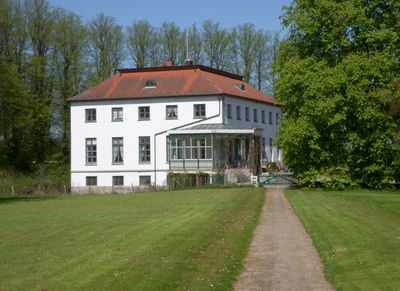
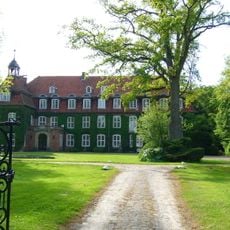
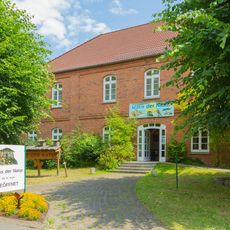
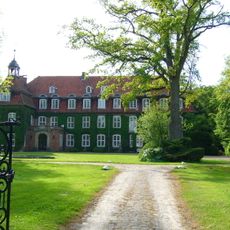
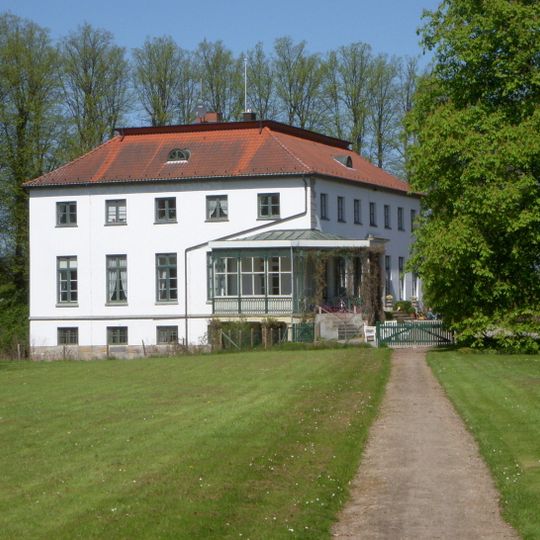
Gut Petersdorf is a manor house with one and a half stories and a hipped roof, featuring classical elements like corner rustication and a sandstone entrance portal with Ionic columns. The building sits at the center of a large-scale farming operation that grows grain, rapeseed, and other crops across hundreds of hectares.
The manor was redesigned in the early 1800s by architect Joseph Christian Lillie from Lübeck, transforming a 17th-century building into a classical style manor. Over centuries, the property changed hands among noble families who managed it as an agricultural estate and residential home.
The manor reflects classical architectural values and shapes how the rural landscape around Lensahn looks and feels. Its design connects the estate's role as both a residence and a working agricultural center, showing how wealth and farming have been intertwined in this region.
The estate sits in open countryside and is best reached by personal transport, as public connections are limited in this rural area. Visitors should know this is an active working farm rather than an open-access heritage site.
Architect Joseph Christian Lillie from Lübeck was known for transforming older structures into classical designs, bringing a special level of craft to this property. His work shows how skilled architects of that era reshaped rural estates into modern 19th-century manor houses.
The community of curious travelers
AroundUs brings together thousands of curated places, local tips, and hidden gems, enriched daily by 91,125 contributors worldwide.