Gutenhalde, Cultural heritage monument in Filderstadt, Germany.
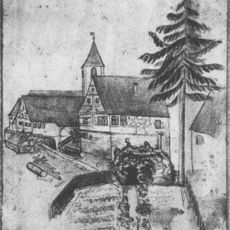
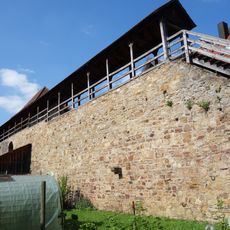
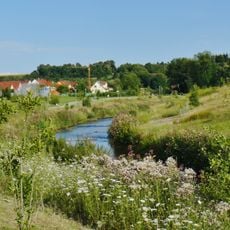
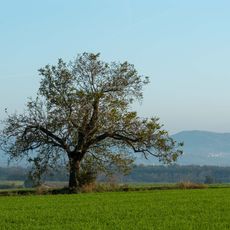
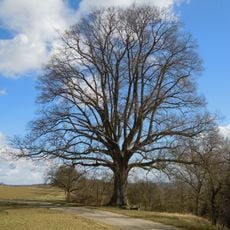
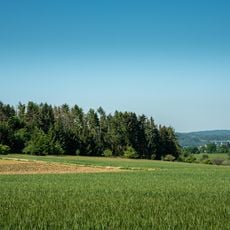
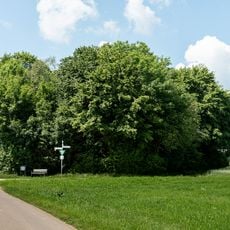
Gutenhalde is a farm estate south of Bonlanden in Filderstadt, laid out from 1945 to 1949 by architect Paul Heim as a Low German farmstead. Its buildings stand staggered on a slope: the Waldorf school on the hilltop at the forest edge, the farmstead halfway down in the meadows. Straw roofs were replaced with tiles because of fire risk; the horse stables were tiled, the pig and cow stables built of oak.
Entrepreneur Willy Bürkle purchased the land in 1941 and built residential and workshop facilities for his company. After World War II, it was transformed into a children's residential community and later became an educational and therapeutic center.
The name Gutenhalde is not explained in the sources; the site's later use is documented: from 1954 to 1988 a children's village operated here, after which a Waldorf school took over the former ceramics workshop and a social-therapeutic community moved into the children's village, later also leasing the farm. A sandstone vase from Bürkle's park now stands in a green area in front of the local museum.
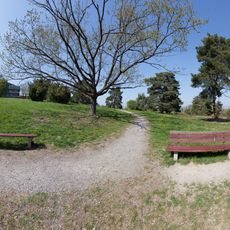
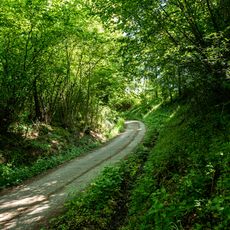
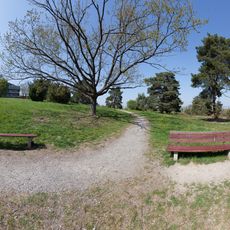
The site sits on a gentle slope with various pathways leading to different buildings. The structures are spread across the grounds, making a walk through the entire area worthwhile to see everything.
The ceramics workshop employed up to a hundred people at times and operated until 1958, long after Willy Bürkle's bankruptcy in 1949. Its premises were then taken over by a Waldorf school, which still uses the former workshop buildings on the hilltop at the forest edge.
The community of curious travelers
AroundUs brings together thousands of curated places, local tips, and hidden gems, enriched daily by 93,849 contributors worldwide.