Haus Aspel, Protected monastery complex in Rees, Germany
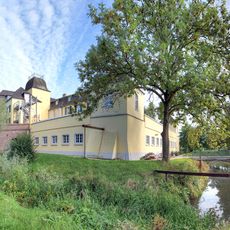
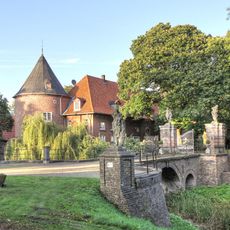
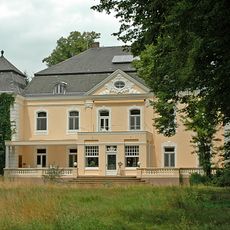
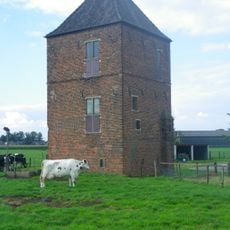
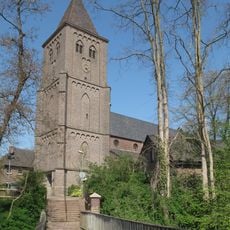
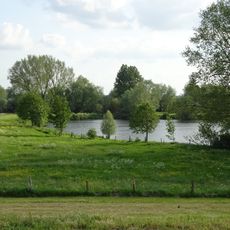
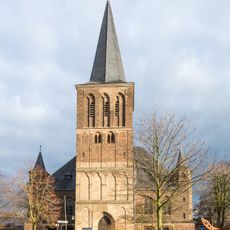
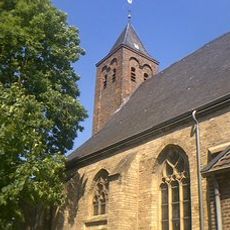
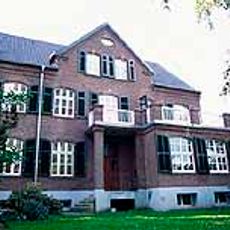
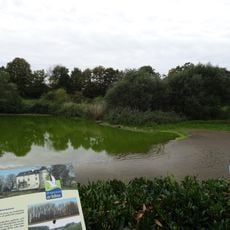
Haus Aspel is a large monastery complex in Rees composed of numerous interconnected buildings surrounded by water features. The ensemble includes residential quarters, a chapel, and service structures that developed gradually over time.
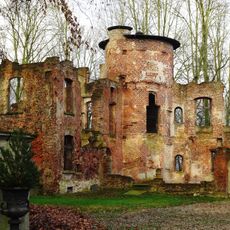
Haus Aspel was first mentioned between 1020 and 1024 in Alpert of Metz's De diversitate temporum, when Count Godizo of Aspel and Heimbach held it. Around 1075 Irmtrud bequeathed it to the Cologne archbishopric, making it Kurköln's northernmost stronghold against the Counts of Cleves. After 1392 it was pledged to Cleves and decayed; the ruined buildings were rebuilt in 1722 under the von Wittenhorst-Sonsfeld family, and since 1850 the Daughters of the Holy Cross have used it as a convent.
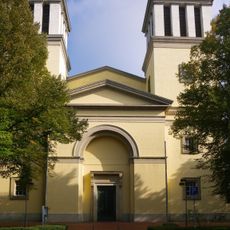
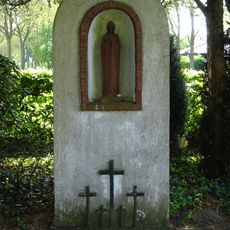
The chapel within the complex reflects the spiritual identity shaped over many decades by those who lived here. Visitors can see this religious heritage expressed in the building design and decorative elements.
The site is protected as a heritage monument and is best explored through guided visits that provide an overview of its different structures. Visitors should allow adequate time to appreciate the scale and layout of the entire ensemble.
The medieval earthwork beneath the monastery is one of the largest and most intact examples along this stretch of river. This hidden archaeological layer reveals the site's lengthy past before its conversion to religious purposes.
The community of curious travelers
AroundUs brings together thousands of curated places, local tips, and hidden gems, enriched daily by 93,479 contributors worldwide.