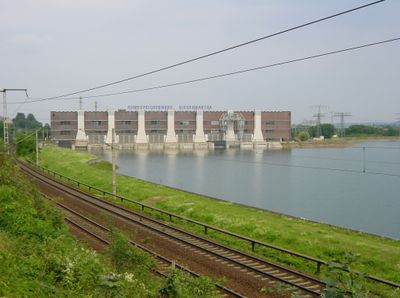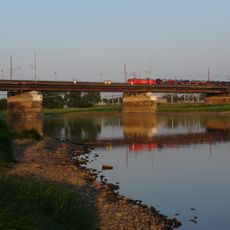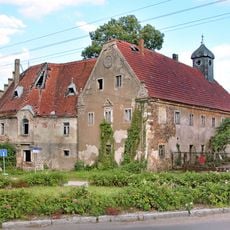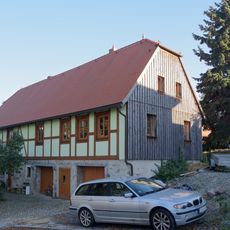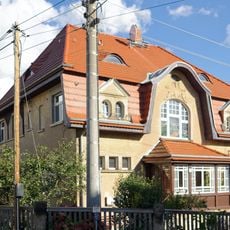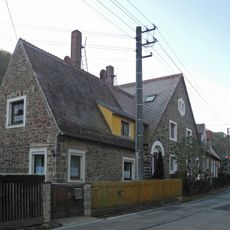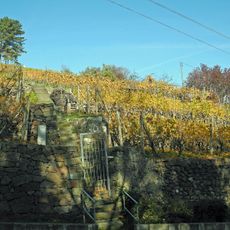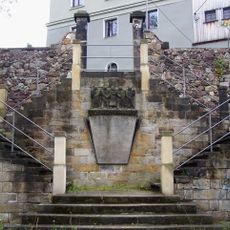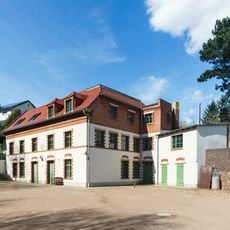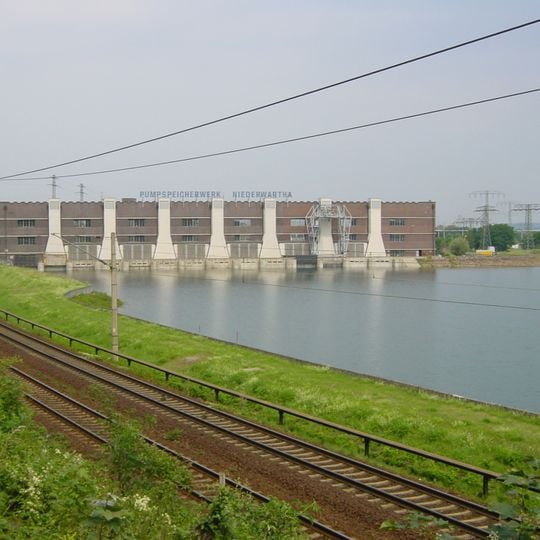
Niederwartha power station, Pumped-storage power station in Dresden, Germany.
The Niederwartha power station is a pumped-storage facility in Dresden that moves water between two reservoirs to store and generate electricity. Six machinery sets allow it to produce power during peak demand and store excess energy during periods of low consumption.
Construction began in 1927 under architect Emil Högg and was completed in 1930, making it one of the early large-scale energy storage installations. It was built during a period when industrial nations sought new ways to provide electricity more reliably.
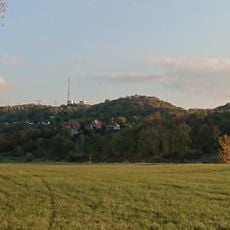
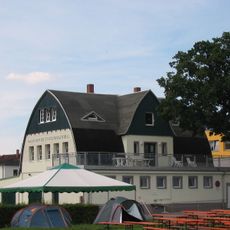
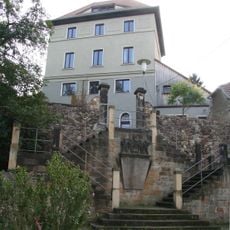
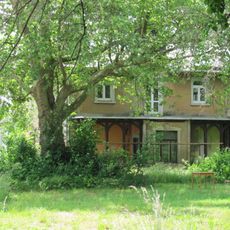
The power station represents industrial heritage in Saxony and shows how engineers harnessed water to generate electricity for the region. Visitors can observe how the facility integrates into the surrounding landscape and understand its role in local development.
The location is accessible through hiking trails around the Oberwartha reservoir and offers views of the industrial facility and surrounding landscape. Visitors should note that the active plant itself may not be open for public access, but the surrounding areas invite exploration.
The facility demonstrates how early industrial nations solved the challenge of fluctuating electricity production by using water as a natural battery. This approach was revolutionary at the time and remains in use at power plants worldwide today.
The community of curious travelers
AroundUs brings together thousands of curated places, local tips, and hidden gems, enriched daily by 91,984 contributors worldwide.