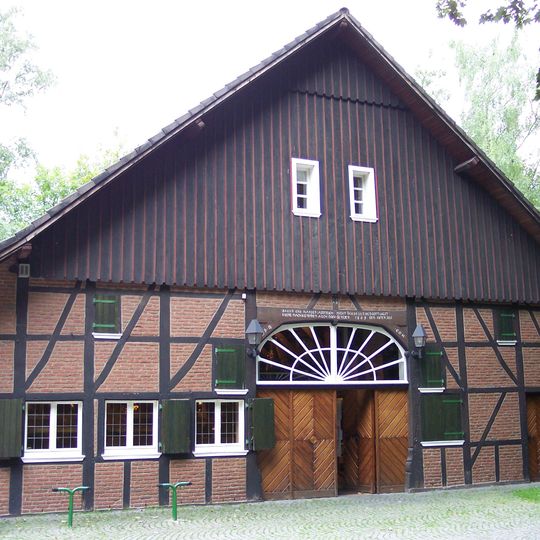
Hermann-Grochtmann-Museum, museum in Germany
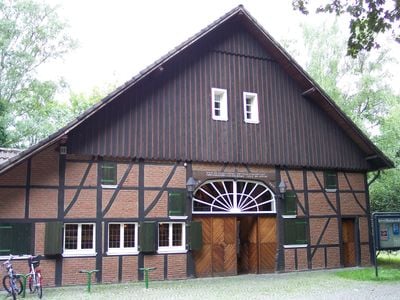
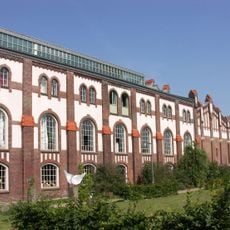
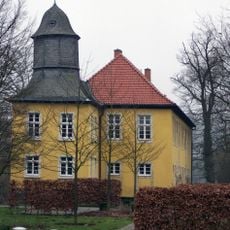
The Hermann-Grochtmann-Museum is a local history museum housed in a protected building from 1809 that was originally built as a farmhouse in the Westphalian style. The three-part structure stands next to the town hall on the town's oldest property.
The building was constructed in 1809 as a farmhouse and acquired by the city in 1911 before beginning to store artifacts from earlier periods like stones and bronze objects starting in 1927. It was officially designated a city museum in 1936 and named after Hermann Grochtmann in 1969.
The museum is named after Hermann Grochtmann, a teacher who dedicated himself to studying the town's history and development. This naming reflects how the community honors those who document and preserve local knowledge.
The building is easy to reach by car or bus, with parking available behind the structure and nearby, while buses stop at the nearby post office. Visitors should check ahead about exhibition access, as opening times and entry can vary depending on current use by the local adult education center.
The museum houses the oldest steel bells in Germany, cast in 1845 using a pioneering steel casting technique of that era. These bells reveal the craft innovation and industrial development that shaped the region across generations.
The community of curious travelers
AroundUs brings together thousands of curated places, local tips, and hidden gems, enriched daily by 91,571 contributors worldwide.