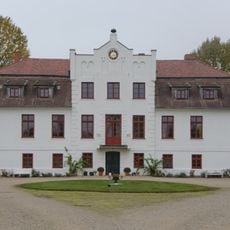
Gut Hohen Luckow, Baroque manor house in Hohen Luckow, Germany.
Gut Hohen Luckow is a two-storey, ochre-coloured Baroque manor house built in 1707, with two corner towers added in the 19th century. Its second-floor Rittersaal has a ceiling of rich stucco installed by Clerici after designs by Karl Maria Pozzi, a gilded fireplace and wall panelling with the coats of arms of the builders' ancestors. The surrounding park was originally Baroque and later converted into an English landscape park.
The estate was commissioned in 1707 by Christoph von Bassewitz and developed as an agricultural property that gained importance for the region. It has shaped the local landscape for generations and the working operations demonstrate its continuous use over the centuries.
The rooms within the house serve as gathering spaces for performances and cultural events that draw people from the surrounding region. They maintain their original character and offer insight into how the local nobility once lived and entertained.
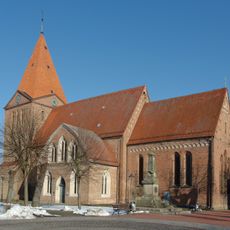
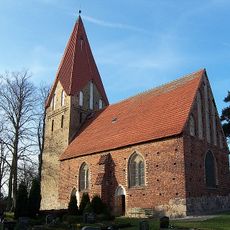
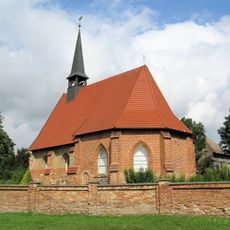
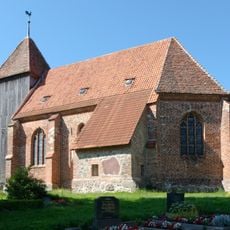
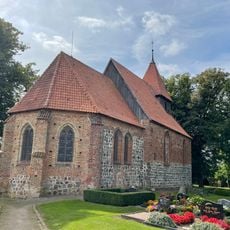
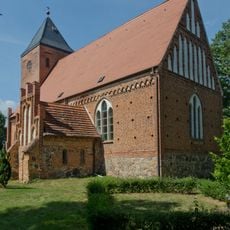
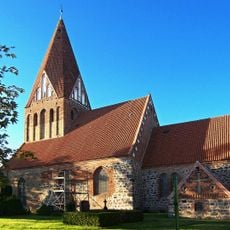
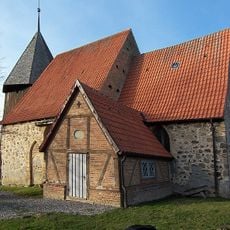
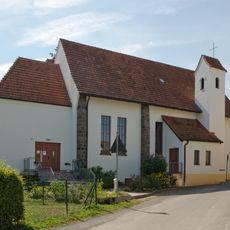
Some rooms of the manor house can be rented, and the Rittersaal is used for events such as the Festspiele Mecklenburg-Vorpommern. The estate lies in the village of Hohen Luckow, part of Bölkow in the municipality of Satow. The associated Hohen Luckower Kirche, restored after 1994, stands nearby.
The Rittersaal on the second floor holds a ceiling of rich stucco installed by Clerici after designs by Karl Maria Pozzi, with a large gilded fireplace on one side. Stucco medallions with allegorical scenes cover the walls; decoding these images was a popular parlour game when the house was built.
The community of curious travelers
AroundUs brings together thousands of curated places, local tips, and hidden gems, enriched daily by 93,802 contributors worldwide.