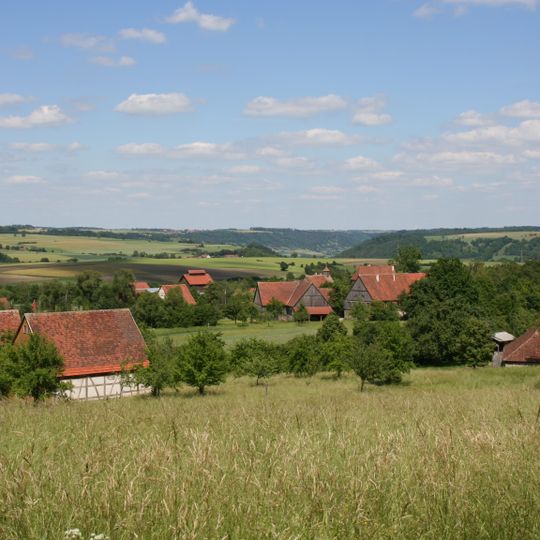
Hohenloher Freilandmuseum Wackershofen, Open-air museum in Schwäbisch Hall, Germany
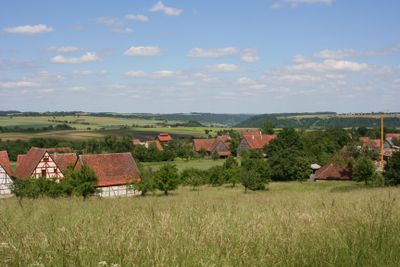
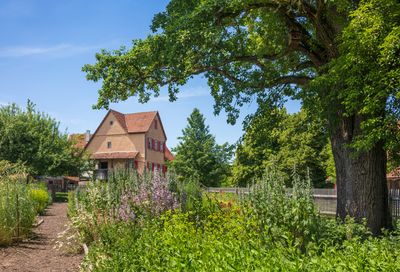
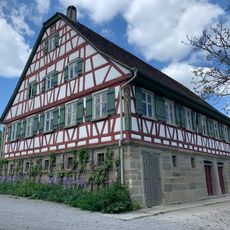
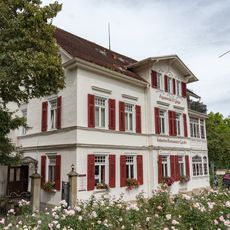
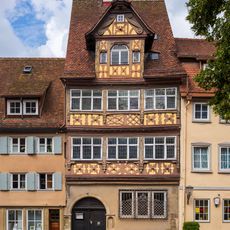
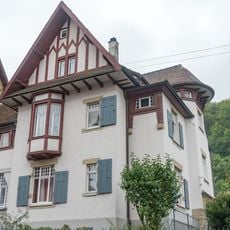
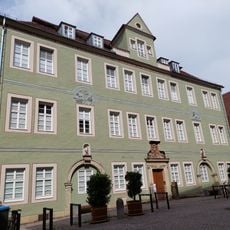
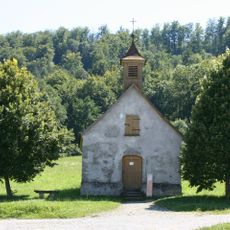
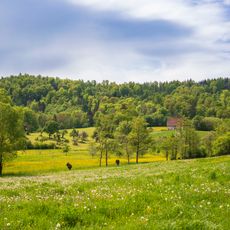
The Hohenloher Freilandmuseum Wackershofen is an open-air museum in the Wackershofen hamlet, part of Schwäbisch Hall. It displays over 70 relocated buildings from northeastern Baden-Württemberg, including the Weidnerhof farmstead with its red-tiled roofs and half-timbered facade, and a two-storey ochre-plastered house with red shutters and a wooden balcony. The buildings are grouped into a Hohenlohe village, a wine landscape, and forest hills, with a mill valley connecting them.
The museum opened in June 1983 with 13 buildings, four of them already standing at the Wackershofen hamlet edge, including the Weidnerhof. It grew out of the Bauernmuseum Schönenberg, opened in 1972, whose initiative proposed the Schwäbisch Hall area as the site. By 1991 forty buildings were shown; the first structure moved was the Steigengasthaus from above Michelfeld in 1979.
The buildings are organized by regional themes, showing how people of different social classes lived side by side. You can see wine grower homes next to farmhouses and notice how living conditions varied based on occupation and wealth.
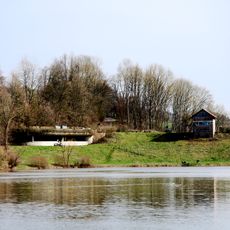
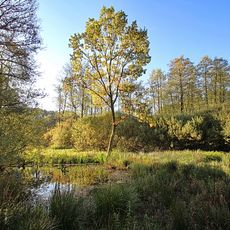
The grounds cover about 35 hectares between the Crailsheim–Heilbronn railway line to the north and the forest edge to the west. A stop called Wackershofen on that line is served hourly and sits right by the museum. The Mühlental stream often runs dry, as it is fed only by overflow from a rain-filled pond above.
The museum has focused on translocating buildings rather than rebuilding them: since the early 1980s whole half-timbered walls were moved, and in 1988 the entire roof truss of the Armenhaus from Hößlinsülz was transported to the site. The Schwäbisch Hall haulage firm Kübler developed the techniques with the museum team.
The community of curious travelers
AroundUs brings together thousands of curated places, local tips, and hidden gems, enriched daily by 93,818 contributors worldwide.