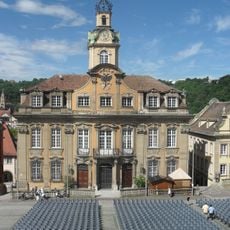
Hällisch-Fränkisches Museum, Regional historical museum in Schwäbisch Hall, Germany.
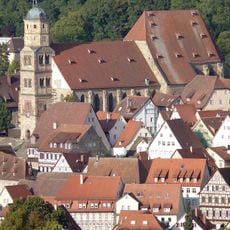
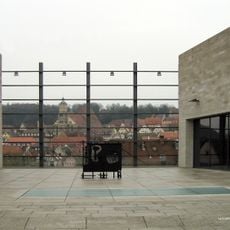
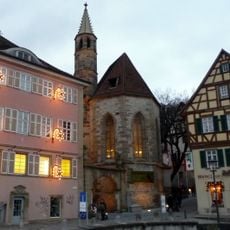
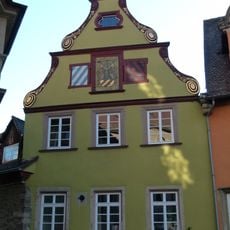
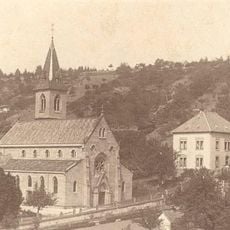
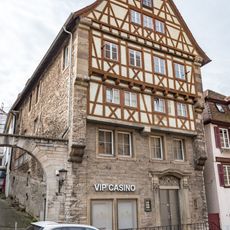
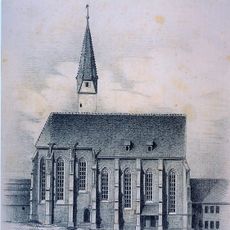
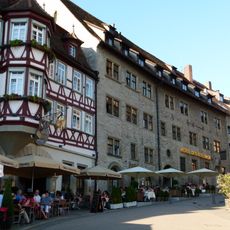
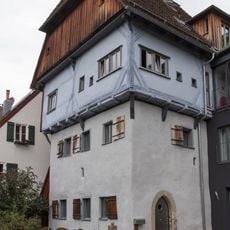
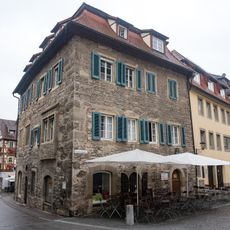
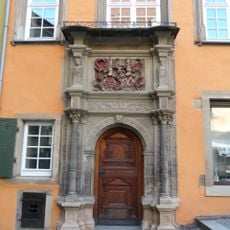
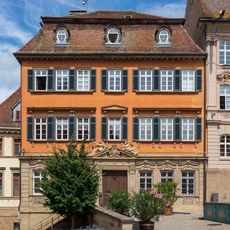
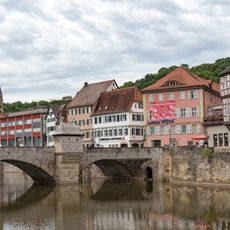
The Hällisch-Fränkisches Museum occupies seven historical buildings from different periods and offers around 3,000 square meters of exhibition space. The rooms display materials spanning from the Middle Ages to modern times, with objects covering urban history, craftsmanship, and regional development.
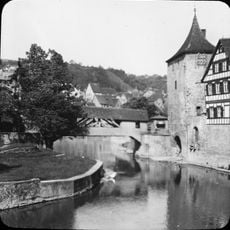
The collection began in 1847 with the Historischer Verein für Württembergisch Franken, which started acquiring objects in 1851. After showing them in Künzelsau and then in Schwäbisch Hall's Pulverturm from 1873 to 1908, the museum moved to the Gräterhaus and in 1936 to the Keckenburg. Harald Siebenmorgen, director from 1986, redesigned the displays and made the museum a model for presenting urban history.
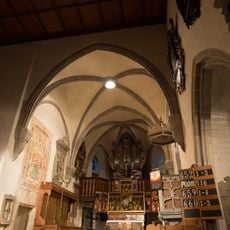
The synagogue panelling from the former Unterlimpurg synagogue, painted by Eliezer Sussmann in the 18th century, is displayed in the 20th-century section. The museum also devotes a small department to the Baroque sculptor Leonhard Kern (1588–1662), who died in Schwäbisch Hall. Three or four temporary exhibitions are held each year.
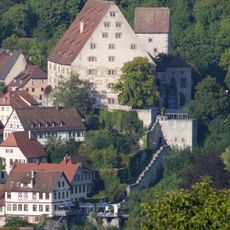
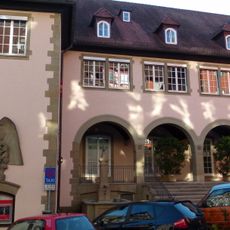
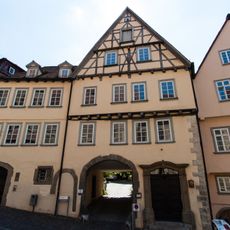
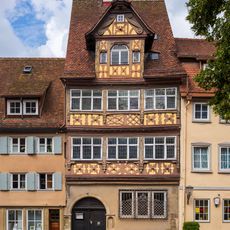
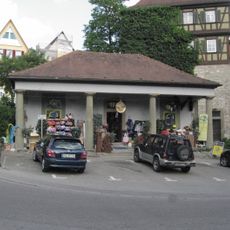
The museum occupies seven buildings around the Keckenhof, entered through a former coach house remodeled around 1830. The Keckenburg tower and the former city mill are the two main structures; the mill stands outside the old city wall. Expect stairs and different floor levels between the buildings.
In the cellar of the Keckenturm, a medieval treadwheel crane is built into the building. Visitors can step onto the wheel and see how massive stone blocks were hoisted on medieval construction sites. The tower itself was built around 1240, with a timber-framed upper storey added in 1508.
The community of curious travelers
AroundUs brings together thousands of curated places, local tips, and hidden gems, enriched daily by 94,593 contributors worldwide.