Ipweger Moor, Protected peat bog in Lower Saxony, Germany.
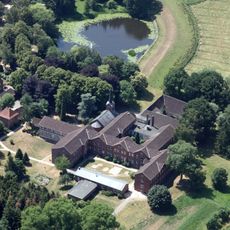
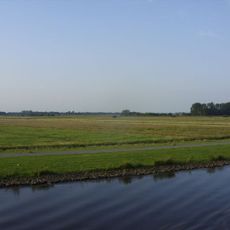
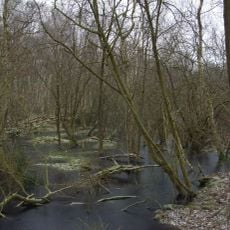
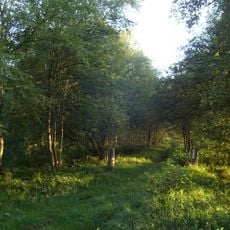
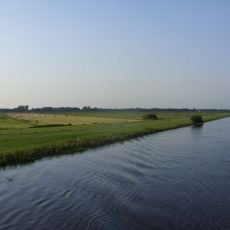
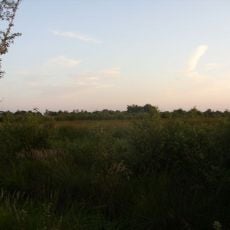
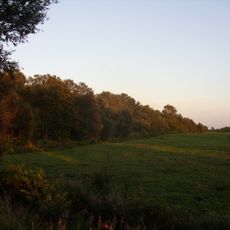
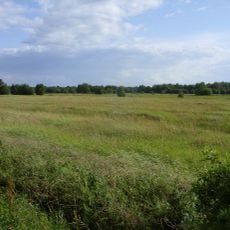
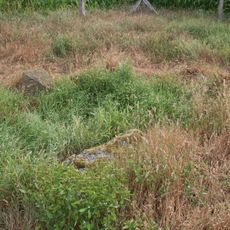
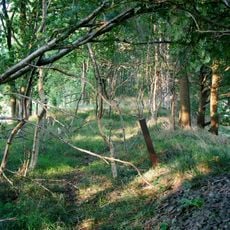
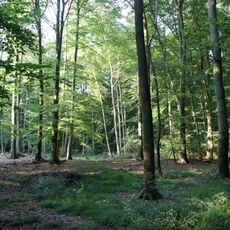
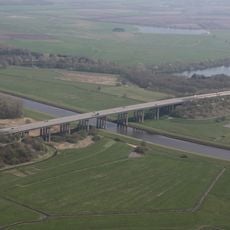
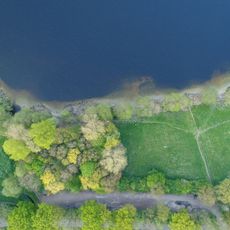
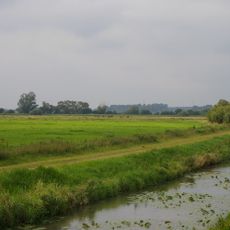
Ipweger Moor is a protected peat bog in Lower Saxony featuring several nature reserves, including the Barkenkuhlen area with its characteristic wetland features and deep peat layers. The landscape shows flat water surfaces, moorland plants, and scattered vegetation that define its character as a working wetland ecosystem.
Archaeological excavations in 1989 uncovered a wooden pathway from the 6th century BCE that crossed through the moor, providing evidence of early human activity in the wetland. This discovery revealed that people had engineered passage through this challenging landscape thousands of years ago.
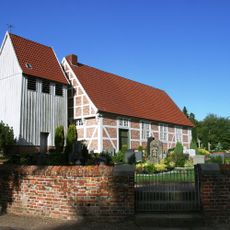
The moor takes its name from the nearby farming settlement of Ipwege, showing how natural landscapes and human communities have always been linked. This connection between the wetland and the village remains visible to visitors exploring the area today.
Walking through the moor requires good footing and sturdy boots, as the ground can be muddy and slippery underfoot. Spring through autumn offers the best visiting conditions, with drier ground and more accessible pathways.
The moorland supports a remarkable variety of wild bee species that visitors can observe while walking through. These insects are essential for pollinating the wetland plants and keeping the ecosystem vibrant.
The community of curious travelers
AroundUs brings together thousands of curated places, local tips, and hidden gems, enriched daily by 92,781 contributors worldwide.