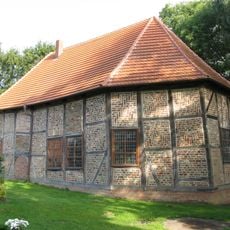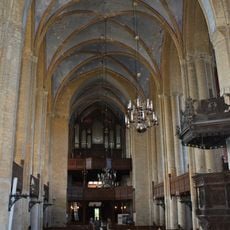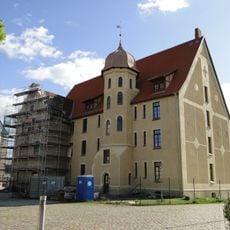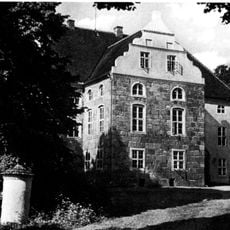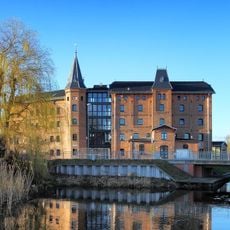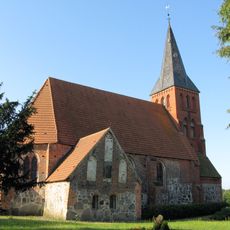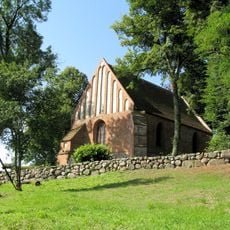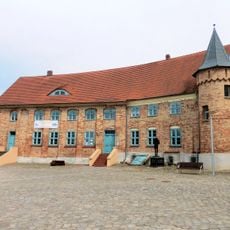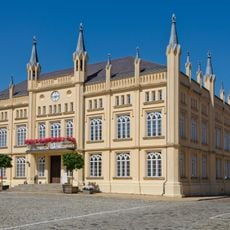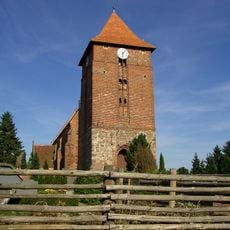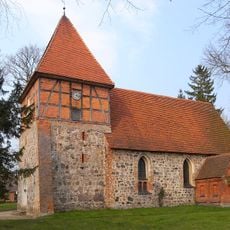
Monastery Rühn, 12th-century Benedictine monastery in Rühn, Germany
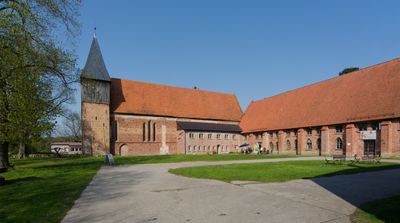
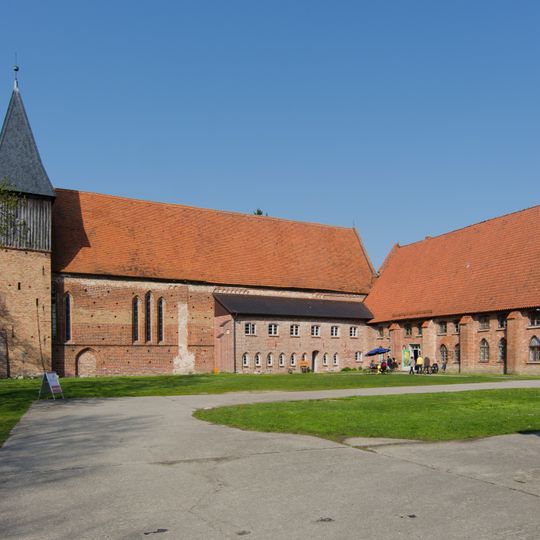
Monastery Rühn is a medieval monastic complex in Rühn, Mecklenburg-Vorpommern, built around a flat-roofed hall church in late Romanesque style. A tower added in the 18th century rises above the rest of the grounds and still contains nesting spaces for kestrels and owls.
The monastery was founded in 1232 by Cistercian nuns, making it one of the early monastic foundations in the Mecklenburg region. After the Reformation in the late 16th century, it became a Lutheran collegiate foundation for noblewomen, a role it kept for generations.
The name Rühn comes from the small settlement that grew up around the monastery over the centuries. Today, visitors notice how the plain architecture and the quiet grounds still reflect the daily rhythm of a working religious community.
Dress respectfully when visiting, as the site is still an active religious community. The area around Rühn is rural, so traveling by car is the most practical option for reaching the monastery.
Monastery Rühn is part of the European Route of Brick Gothic, a network that links major medieval brick buildings across northern Europe. This connection places the site alongside well-known cathedrals and town halls, even though the monastery itself stays off most tourist itineraries.
The community of curious travelers
AroundUs brings together thousands of curated places, local tips, and hidden gems, enriched daily by 91,358 contributors worldwide.