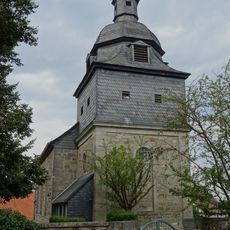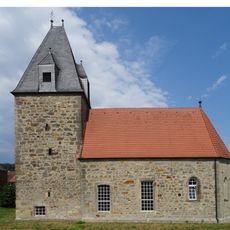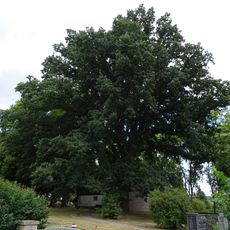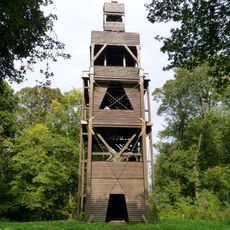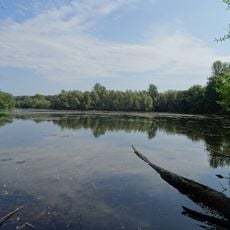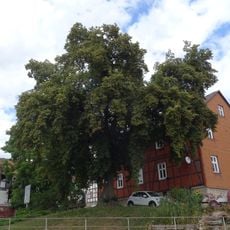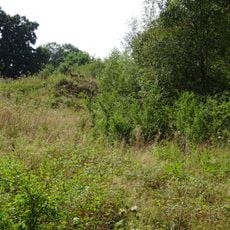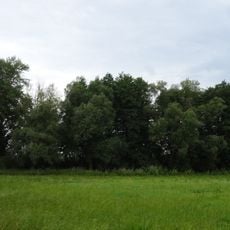
Mader Heide, Archaeological site in Gudensberg, Germany.
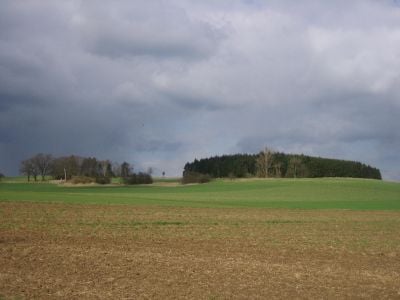
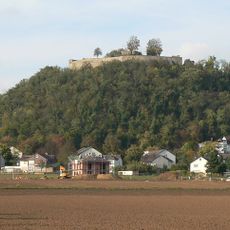
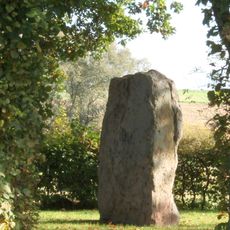
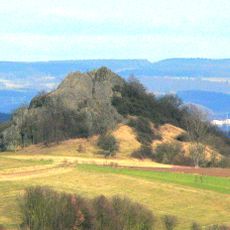
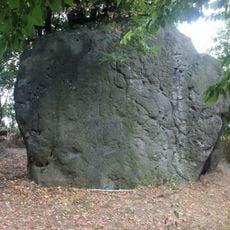
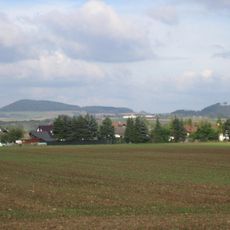
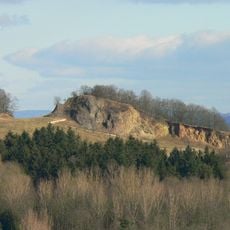
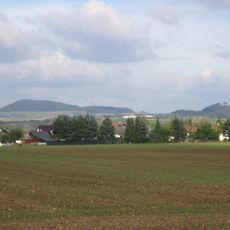
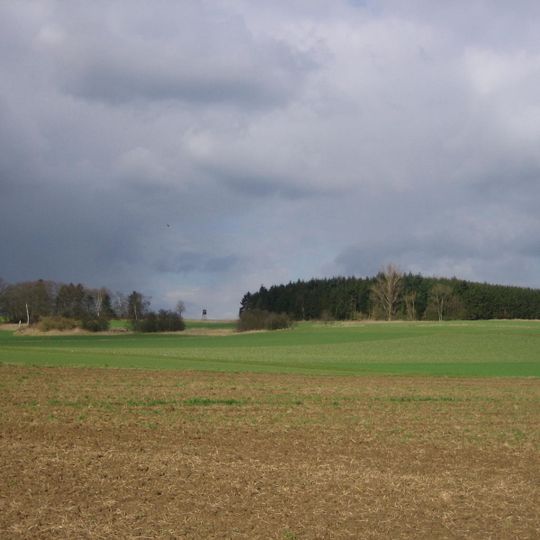
Mader Heide is an archaeological site on flat ground within agricultural land near Gudensberg, surrounded by basalt hills including Ittersberg and Mader Stein. The area is accessible via marked walking paths equipped with information boards explaining the location's significance.
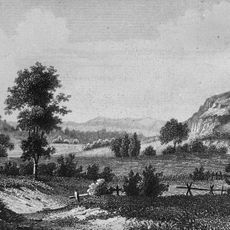
The site became the location of Henry I's proclamation as the first Landgrave of Hesse in 1277, an event with far-reaching consequences for the region's political order. Later, in 1708, Landgrave Karl I conducted excavations that uncovered prehistoric artifacts.
The location takes its name from a heath landscape and is perceived by visitors today as open ground within agricultural countryside. The area draws people interested in early settlement history and regional roots.
Visitors should bring suitable clothing and sturdy footwear as the site is open and can become muddy in wet weather. The information boards are difficult to read in poor light conditions, so visiting during daylight is best.
Excavations from 1923 revealed two ancient house foundations, pottery fragments, and human remains that showed longer-term settlement patterns. These finds indicate the site served as a residential area, not just a gathering place.
The community of curious travelers
AroundUs brings together thousands of curated places, local tips, and hidden gems, enriched daily by 92,647 contributors worldwide.