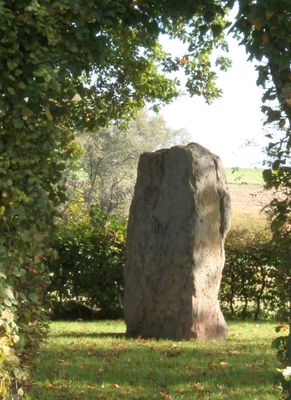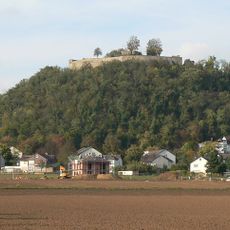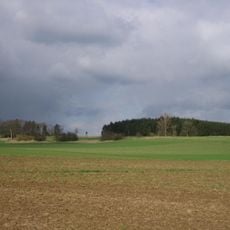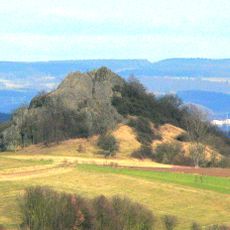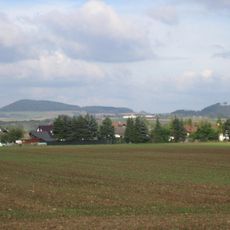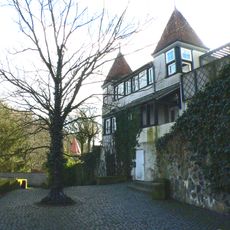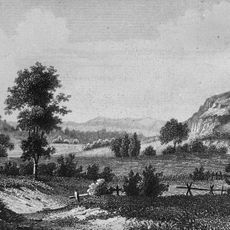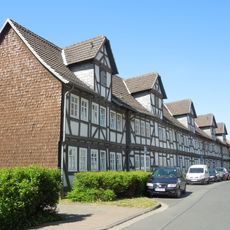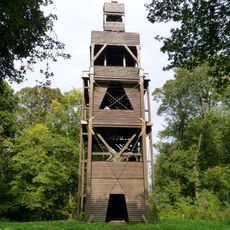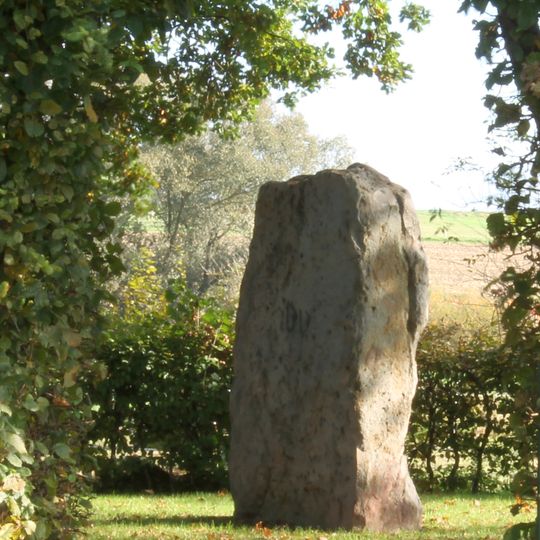
Wotanstein, Prehistoric boulder in Maden, Hesse, Germany.
The Wotanstein stands approximately 2.12 meters tall and weighs roughly 3.7 metric tons, carved from Neogene Miocene quartzite that was transported from a distant location to its current hillside position near Maden village.
First documented in 1407 as 'deme langen steyne zu Madin', this megalith was likely erected during the 3rd century BC and later served as a religious site for the Germanic Chatti tribe worshipping Odin around the 1st century BC.
Local legend tells that the Devil attempted to destroy Saint Boniface's first Christian church in Fritzlar by hurling this stone, but was thwarted by the archangel Michael, leaving claw marks on the boulder's surface.
Located at 177 meters above sea level between the Goldbach and Henkelborn streams, the stone is accessible via a marked path from the main road leading to Obervorschütz in the Schwalm-Eder-Kreis region.
Excavations during the Seven Years' War revealed that the stone extends as deep underground as its height above ground, with human bones discovered beneath suggesting ancient burial practices at this sacred site.
The community of curious travelers
AroundUs brings together thousands of curated places, local tips, and hidden gems, enriched daily by 91,915 contributors worldwide.