Pfalz Grona, Medieval imperial palace ruins in Göttingen, Germany.
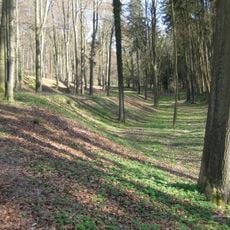
Pfalz Grona was an imperial palace in Göttingen, situated on a steep slope of the Leine Valley with the Grone stream flowing below it. The complex served as an administrative and residential center with multiple structures forming a coherent fortress.
The palace was first documented in 915 and served as a frequent residence for kings and emperors between 941 and 1025. It functioned as a significant center of imperial power during the 10th and early 11th centuries.
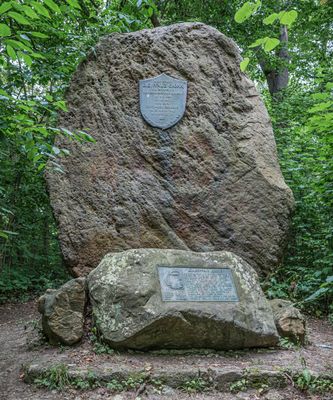
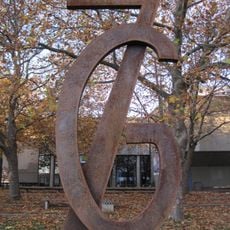
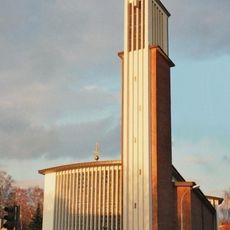
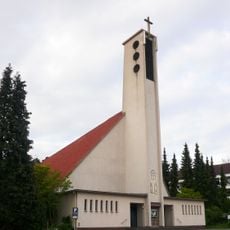
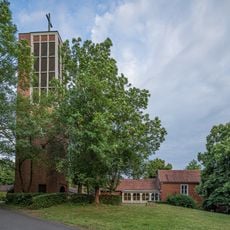
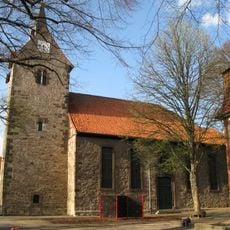
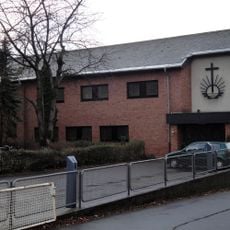
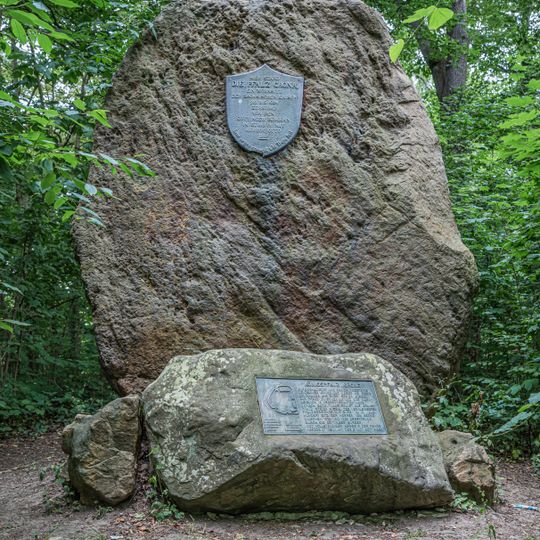
The ruins now sit within Westpark, where a quartzite memorial stone marks the former imperial residence. Visitors can find a memorial room in the nearby Peace Church that documents this site's historical role.
The site is now accessible through Westpark, which is marked by a four-meter-high quartzite memorial stone indicating the former palace location. The park is open to visitors and works well with a visit to the nearby Peace Church for additional historical context.
Emperor Henry II spent his final days at this location in 1024, marking the end of the palace's period of greatest influence. This last imperial presence transformed the site into a symbolic turning point in the realm's history.
The community of curious travelers
AroundUs brings together thousands of curated places, local tips, and hidden gems, enriched daily by 91,267 contributors worldwide.