Schlangenberg, mountain in Germany
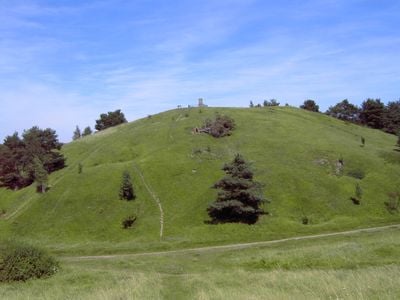
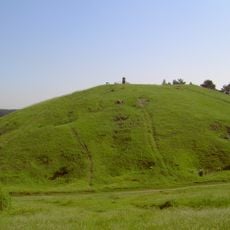
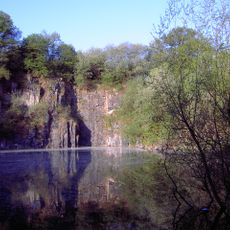
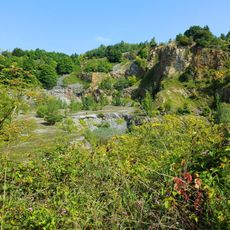
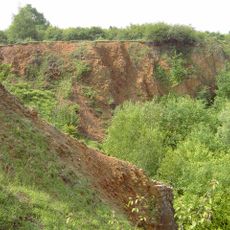
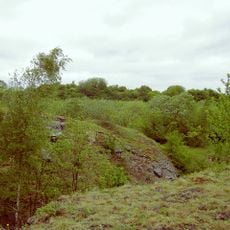
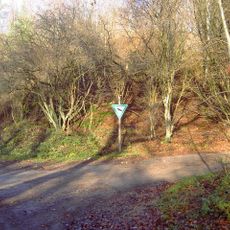
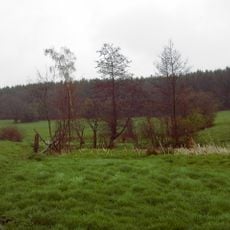
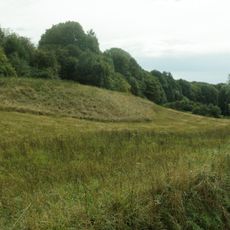
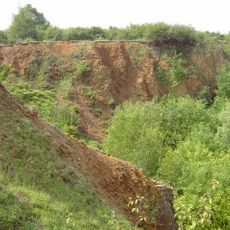
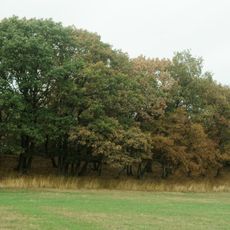
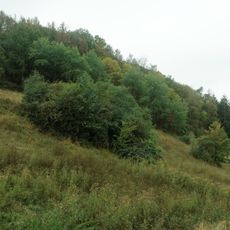
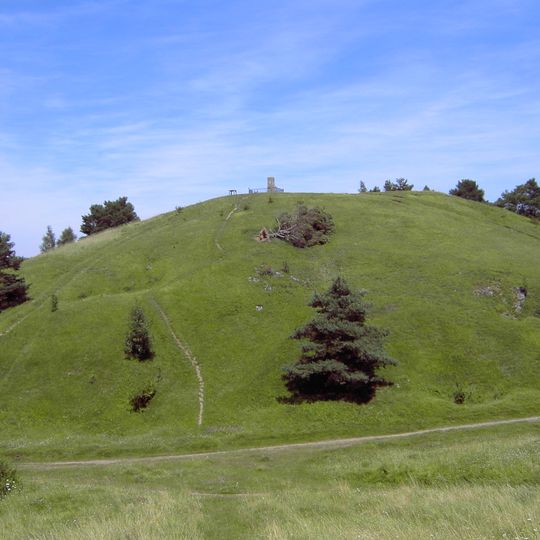
Schlangenberg is a hill in Stolberg that rises approximately 276 meters and is surrounded by forests and open fields. The terrain features deep depressions, rocky slopes, and small flat areas with visible old pits and trenches that reveal its mining history.
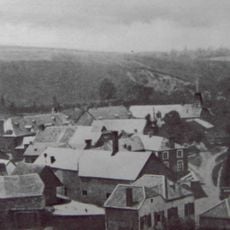
The history of Schlangenberg spans roughly 400 million years, beginning when limestone formed and valuable minerals like zinc ore developed in the area. Celts and later Romans started extracting these resources, with intensive mining operations shaping the region from medieval times through the early 20th century.
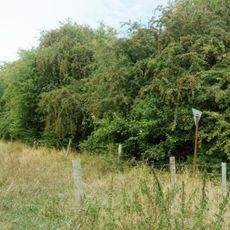
Schlangenberg is home to a unique plant community that thrives only on metal-rich soil, known as Galmeiflora. Visitors can spot rare species like the yellow Galmei-violet and Galmei-pennycress, which have adapted to extreme conditions and define the character of this landscape.
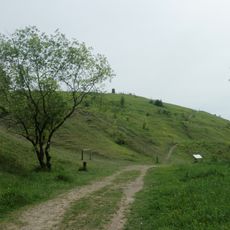
Access is via the parking area called Am Tomborn, from which short hiking trails lead into the protected area. The climb up the hill is steep but brief, rewarding visitors with expansive views across the landscape from the summit.
Over 300 butterfly species thrive here, along with rare birds such as the crested lark that have adapted to the metal-rich soil environment. Despite its industrial past, the site remains an important refuge where specialized plants and animals continue to adapt to extreme conditions.
The community of curious travelers
AroundUs brings together thousands of curated places, local tips, and hidden gems, enriched daily by 90,827 contributors worldwide.