Vicus Wareswald, Archaeological site in St. Wendel, Germany.
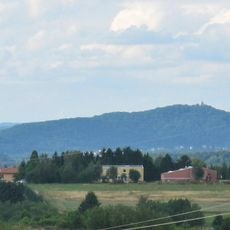
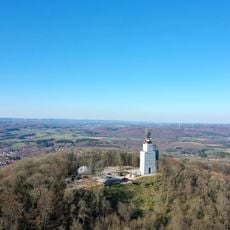
Vicus Wareswald is a Roman settlement in the Wareswald wood near St. Wendel, Saarland, extending about 1,000 metres along a road at the foot of the Schaumberg. The settlement area was terraced down the slope to the north and south, reaching up to 200 metres from the road. Excavations since 2001 have uncovered three building complexes in the village centre, including a cellar and baths with terrazzo tubs.
The settlement was founded in the first century AD where major Roman roads intersected, linking regional cities. It reached its greatest size and prosperity during the second century.
The temple dedicated to Mars and decorated sandstone blocks show how Roman inhabitants worshipped their gods and displayed their craft skills. These finds reveal the religious practices and everyday life of this ancient settlement.
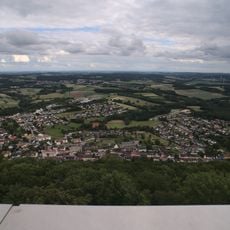
The site is partially accessible where visitors can view excavated foundations and stone walls up close. The surrounding slopes offer good viewpoints to understand how the settlement was positioned on the terrain.
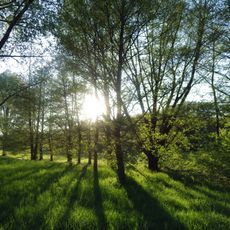
Local legend held that a golden wagon lay buried in the Wareswald, its shaft so close to the surface that a hen could scratch it out. The name was also wrongly linked to the Roman general Varus; it more likely comes from an Old High German word for a wood withheld from common use.
The community of curious travelers
AroundUs brings together thousands of curated places, local tips, and hidden gems, enriched daily by 93,361 contributors worldwide.