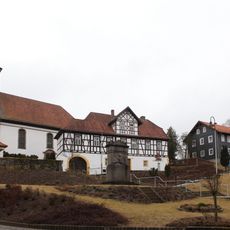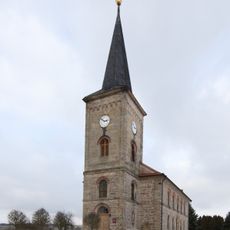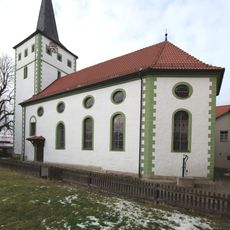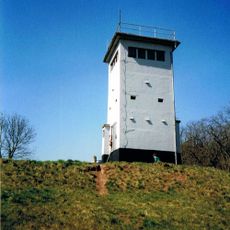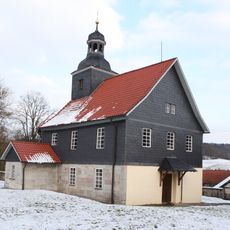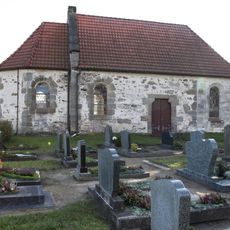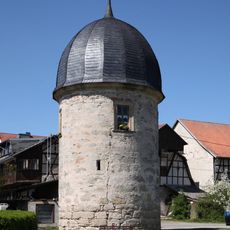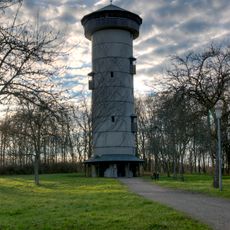
Heldburg Fortress, Medieval hilltop castle in Thuringia, Germany.
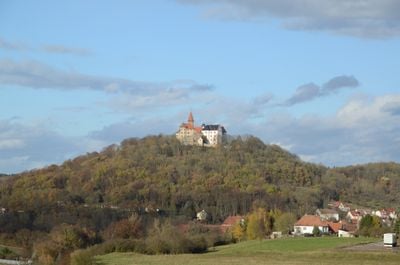
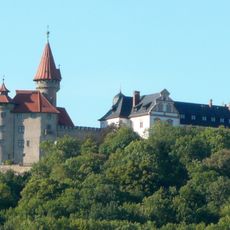
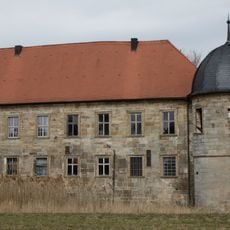
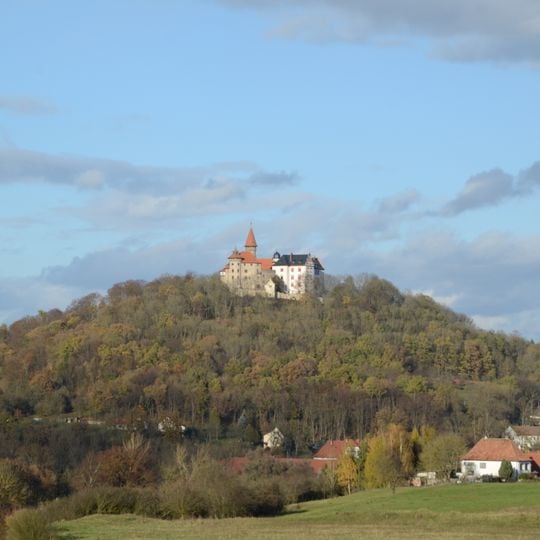
Heldburg Fortress is a castle built of stone on a volcanic cone in Thuringia that rises about 1,330 feet (405 meters) above sea level. The structure combines medieval features with Renaissance architecture, and several defensive towers protect the complex.
The castle was founded in the 12th or 13th century and by the early 14th century belonged to the Counts of Henneberg-Schleusingen, who used it as an administrative and judicial seat. In 1374 it passed to the Wettin family. From 1560, Duke Johann Friedrich the Middle had his court architect Nikolaus Gromann rebuild it in Renaissance style, creating the Neuer Bau, now called the Französischer Bau.
Since 8 September 2016 the German Castle Museum (Deutsches Burgenmuseum) has occupied the French Building, the Renaissance wing begun under Nikolaus Gromann. Its displays cover castle research, the history and typology of castles, and their functions in the Middle Ages and from the 17th to the 19th century. The museum opened to regular visitors the following day.
The fortress stands 113 metres above the town of Heldburg on a 405-metre volcanic cone, so the climb is on foot. The German Castle Museum in the Französischer Bau opened in September 2016 and is open to regular visitors. Remains of the 1712–1720 fortifications survive only as fragments on the Schlossberg slope.
The nickname "Franconian Light" pairs the fortress with Veste Coburg, the "Franconian Crown", visible across the Bavarian border. The two names describe the castles' positions facing each other, not any warning fires. The fortress is the only Thuringian site on the Castle Road.
The community of curious travelers
AroundUs brings together thousands of curated places, local tips, and hidden gems, enriched daily by 93,360 contributors worldwide.