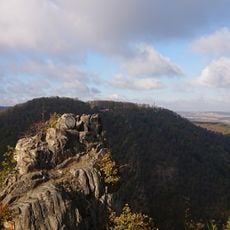
Walpurgis Hall, Museum at Witches' Dance Floor in Thale, Germany
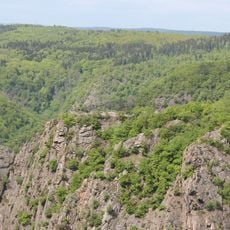
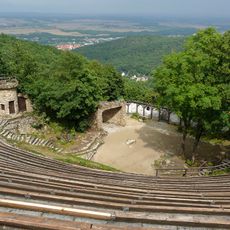
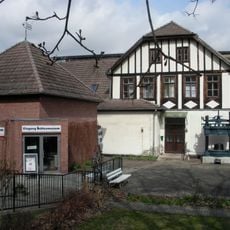
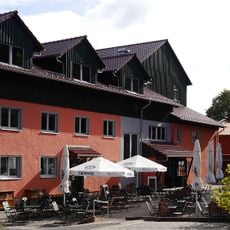
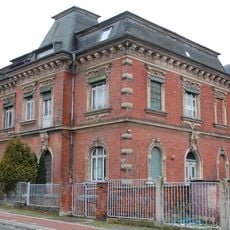
Walpurgis Hall is a museum on the Witches' Dance Floor plateau in Thale, Germany, housing five large paintings depicting scenes from Goethe's Faust. The building is a compact stone structure with a distinctive facade, positioned at the edge of the plateau overlooking the Bode Valley.
The building was erected in 1901 to create a link between the local folklore of the Hexentanzplatz and Goethe's Faust. The paintings were commissioned specifically for this site and have remained there ever since.
The building takes its name from Walpurgis Night, a festival traditionally celebrated in the Harz region on the night of April 30. The five paintings inside draw a direct line between this local tradition and the most recognizable scenes from Goethe's play.
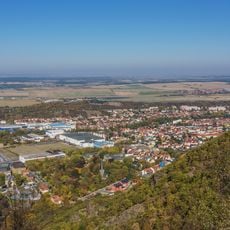
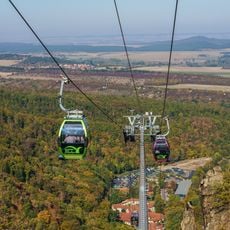
The hall is on the Hexentanzplatz plateau, reachable on foot or by cable car from Thale. Visitors can easily combine a stop here with a walk along the surrounding trails on the same outing.
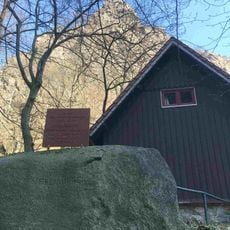
The hall became the model for two later buildings: the Nibelungenhalle in Königswinter (1913) and the Sagenhalle in Schreiberhau, Lower Silesia (1903). Its architect Bernhard Sehring designed it as an Old Germanic log house after a competition; the site chosen was the Hexentanzplatz, not the Brocken summit as the painter Hermann Hendrich had first intended.
The community of curious travelers
AroundUs brings together thousands of curated places, local tips, and hidden gems, enriched daily by 93,468 contributors worldwide.