Wehrgeschichtliches Museum Rastatt, Military museum in Rastatt, Germany
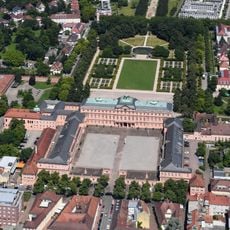
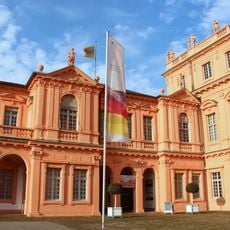
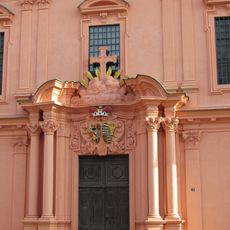
The Wehrgeschichtliches Museum Rastatt occupies the south wing of Rastatt Palace, a salmon-pink baroque building with a tiered tower and green copper roof facing a cobbled square. Its permanent exhibition covers the military history of Germany's southwest from 1500 to 1800, including the Thirty Years' War and the wars against France up to the Rastatt Congress. A large diorama made of over 6,000 tin figures is part of the display.
Founded in 1934 in Karlsruhe as the Badisches Armeemuseum, it drew on military holdings of the Badisches Landesmuseum and the Augustinermuseum in Freiburg. In 1956 it moved into the south wing of Rastatt Palace, adding items from the former Württemberg Army Museum. It was run by the Bundeswehr until 1996, closed for rebuilding, and reopened in 1999 under a limited company backed by Baden-Württemberg, the city of Rastatt and a support association.
The museum's name changed in 1969 from Badisches Armeemuseum to Wehrgeschichtliches Museum, reflecting a shift from a Baden-focused army collection to a broader German military history. Displays also address the link between military and society, not only battles and equipment.
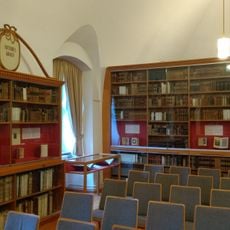
The museum occupies the south wing of Rastatt Palace, so enter from the palace courtyard side rather than the main square facade. The permanent display, three study collections and the 6,000-figure diorama are all indoors, making a visit feasible in any weather. Allow time for the study collections on edged weapons, rank insignia and military music, which sit apart from the main route.
A large diorama in the permanent exhibition is made of more than 6,000 tin figures. The museum also holds a model of the Rastatt Federal Fortress, and three study collections cover edged weapons, rank insignia and military music.
The community of curious travelers
AroundUs brings together thousands of curated places, local tips, and hidden gems, enriched daily by 94,283 contributors worldwide.