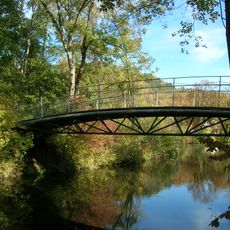
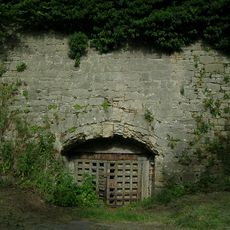
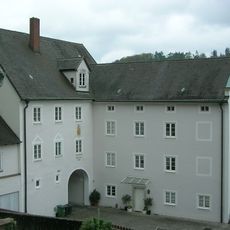
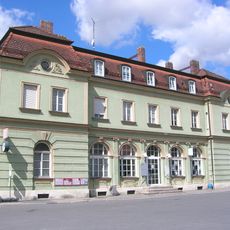
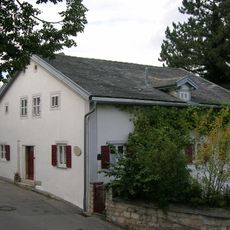
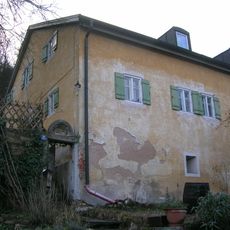
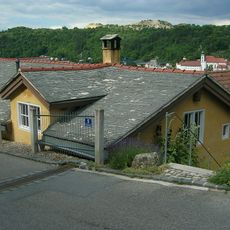
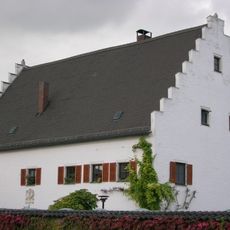
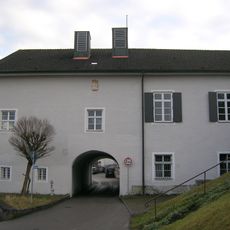
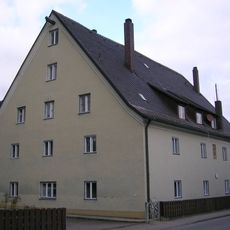
Bastionsgarten, Botanical garden in Eichstätt, Germany.
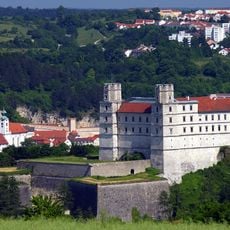
The Bastionsgarten is a botanical garden at the foot of Willibaldsburg castle in Eichstätt, Bavaria, laid out on the grounds of a former fortification. The beds are arranged according to the natural growth cycles of the plants, so the garden changes its appearance through the seasons.
Prince-Bishop Johann Konrad von Gemmingen had the garden expanded from 1597, first under Joachim Camerarius the Younger and, after his death, under Nuremberg pharmacist Basilius Besler. It was damaged, not destroyed, in the Thirty Years' War; restoration began in 1648 under Marquard II Schenk von Castell. The present Bastionsgarten was created from 1995 and opened in 1998 on the Schmiede-Bastion.
The name refers to the bastion on which Willibaldsburg castle stands, tying the garden directly to the fortified history of the site. Visitors can see plants that were once part of everyday life in this region, grown for food, medicine, or trade.
The garden is accessible from spring through autumn, and the paths are flat and easy to walk. A visit during the summer months is especially rewarding, as most of the plants are in full growth and easier to identify.
The 1998 replanting follows the plant list of the Hortus Eystettensis, the folio published in 1613 by Basilius Besler, a Nuremberg pharmacist and botanist. Its plates record 349 species then growing in Germany, 209 from southern and south-eastern Europe, 63 Asian, 23 American and nine African. Some staircase paintings were reproduced in the book.
The community of curious travelers
AroundUs brings together thousands of curated places, local tips, and hidden gems, enriched daily by 93,610 contributors worldwide.