Frisia, Cultural region along the North Sea in Germany and Netherlands
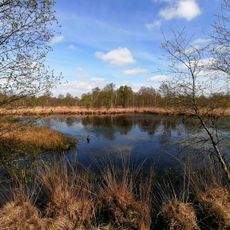
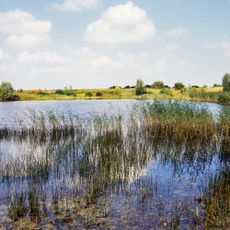
Frisia extends along the North Sea coast across northern Netherlands and northwestern Germany, covering low-lying coastal plains, farmland and tidal flats. The landscape shows dikes, windmills, canals and farmsteads adapted to living at sea level.
Between the 6th and 8th centuries, the kingdom extended from northwestern Flanders to the Weser River and controlled maritime commerce across the North Sea. Later divisions brought parts under the Netherlands and German states.
In the Netherlands province, the Frisian language appears on road signs and public buildings alongside Dutch. Visitors hear locals speaking it in shops and markets, where traditional dairy products and woolen goods carry regional names.
Buses and trains connect towns and villages across the Dutch and German portions, with services more frequent in the Netherlands. Cycling is common on flat terrain, with well-marked routes along canals and through farmland.
The Wadden Sea along the coast has been a World Heritage site since 2009 and covers more than 9000 square kilometers (3500 square miles). At low tide, visitors walk on the seabed between islands and the mainland.
The community of curious travelers
AroundUs brings together thousands of curated places, local tips, and hidden gems, enriched daily by 92,656 contributors worldwide.