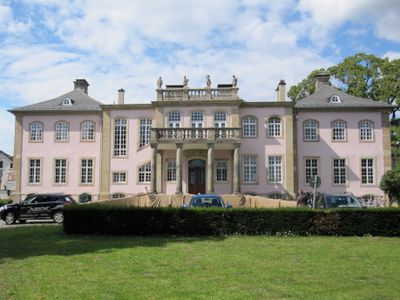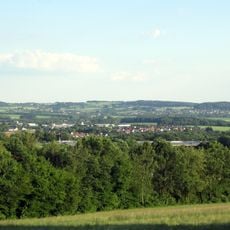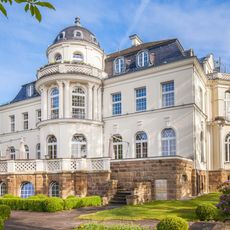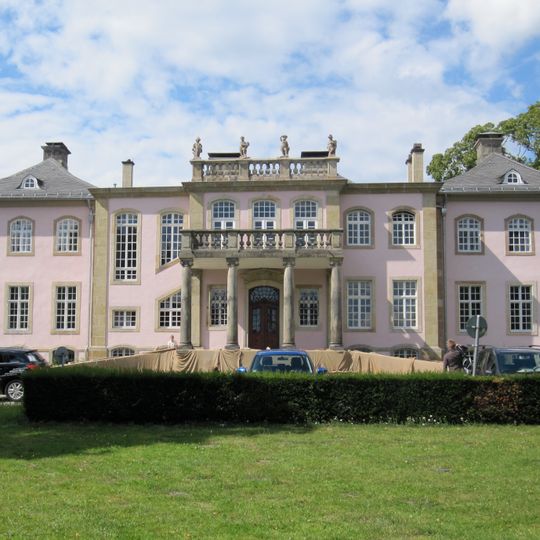
Schloss Stietencron, Château in Schötmar, Bad Salzuflen, Germany.
Schloss Stietencron is the former manor house of the Rittergut Schötmar, built in 1729–1732 in late Baroque and Rococo style on Schlossstraße in Schötmar, now part of Bad Salzuflen. Its main entrance was moved from the north to the south side in 1913, when a balcony carried by four columns and a ramp approach were added. The building received a new slate roof and a plastered, repainted facade during renovation in 2009 and 2010.
The Rittergut Schötmar was founded in 1664 by Colonel Simon Moritz von Donop, who obtained manorial status for his estate. The present house was built in 1729 by the Swedish and Hessian minister August Moritz Abel Plato von Donop. After several changes of owner between 1788 and 1831, Johann von Stietencron bought it with about 138 hectares in 1831 and made it his family seat.
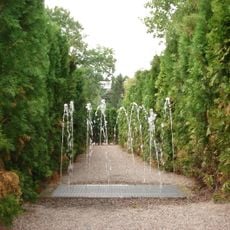
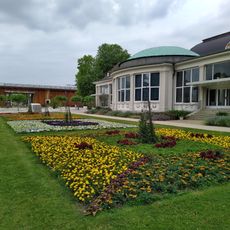
The name Stietencron comes from the family that bought the estate in 1831; Johann von Stietencron, called Iwan, was a university friend of Bismarck and president of the Lippe knighthood. The park behind the house is freely accessible and used for concerts and other events, and the Rococo hall hosts civil weddings.
The park behind the castle is freely accessible and used for concerts and events; the castle itself houses the Bad Salzuflen music school. The grounds lie on Schlossstraße in the Schötmar district. The park is a public green space, so visitors can walk through it at any time.
In June 1917 the ornithologist Gustav Wolff made the first confirmed photograph of a breeding pair of red-breasted flycatchers here, the first proven breeding record in North Rhine-Westphalia. Near the park wall an oval opening marks the spot where a brine spring was drilled in 1933 to feed a basin.
The community of curious travelers
AroundUs brings together thousands of curated places, local tips, and hidden gems, enriched daily by 93,644 contributors worldwide.