Hus-Museum Konstanz, Religious history museum in Constance, Germany
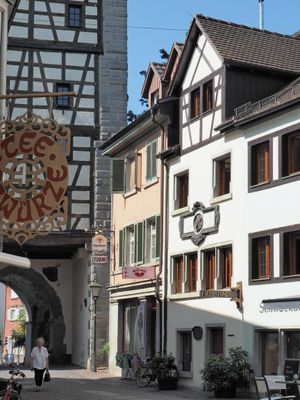
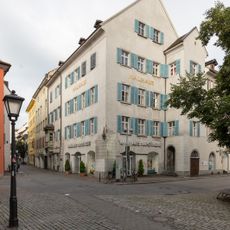
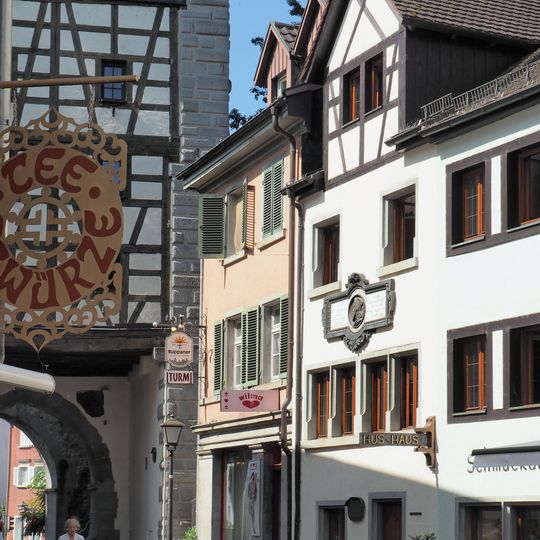
The Hus Museum Konstanz occupies a half-timbered house at Hussenstraße 64, near the Schnetztor in Konstanz's old town. Its exhibition traces Jan Hus's work as a dean, his journey to Konstanz, and his trial, using facsimiles, photographs, and a multimedia 'heretic test' for visitors.
Jan Hus stayed in Konstanz from 3 November 1414 until his arrest on 28 November 1414, lodging with the widow Pfister in what was then Paulsgasse, renamed Hussenstraße in 1873. The half-timbered house at Hussenstraße 64 dates from the 15th/16th century; it cannot be proven that Hus lived in this exact building. The Czechoslovak state bought the house in 1922 and transferred it in 1923 to the Hus Museum Society in Prague, founded in 1919.
The street outside was called Paulsgasse until 1873, when it was renamed Hussenstraße; it was given the name again after 1945. The Richental Chronicle records Hus lodging "in der Pfistrinen hus an sant Paulsgassen", with the widow Pfister. The museum also shows a film telling Jan Hus's story in Konstanz for children, narrated by Dr. Libuše Rösch.
The museum occupies the half-timbered house at Hussenstraße 64, by the Schnetztor gate in Konstanz's old town, so it is reached on foot through the pedestrian lanes. The exhibition was reorganized in 2014 by the Hussite Museum in Tábor and the Hus Museum Society in Prague. A multimedia station, the "Ketzer-Test", lets visitors test their own answers.
The house at Hussenstraße 64 cannot be proven to be where Hus actually lodged; the Richental Chronicle places him in the house of Widow Pfister on what was then Paulsgasse, renamed Hussenstraße in 1873. The museum keeps a children's film in which Dr. Libuše Rösch tells Jan Hus's Konstanz story.
The community of curious travelers
AroundUs brings together thousands of curated places, local tips, and hidden gems, enriched daily by 93,785 contributors worldwide.