Kunstmuseum Ahrenshoop, Art museum in Ahrenshoop, Germany
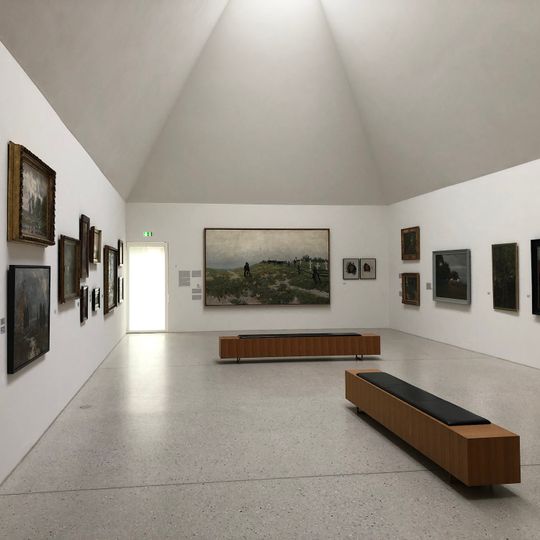
Kunstmuseum Ahrenshoop is a private art museum opened in 2013 on the Fischland-Darß-Zingst peninsula by the Baltic Sea. Its five reed-roofed cubes, designed by Volker Staab, look like separate village houses outside but merge into one complex inside. The foundation holds more than 800 paintings, graphic works and sculptures by artists who lived or worked in Ahrenshoop, shown in daylight galleries lit through skylights with integrated prisms.
The collection documents artistic creation from the early 20th century through the mid-20th century from an established artist colony. The museum itself opened in 2013 to preserve this artistic heritage and make it accessible to the public.
The museum's name refers to the artists' colony founded in Ahrenshoop in the late 19th century, and its displays trace that community's political and social development through the 20th century. Works by Elisabeth von Eicken, Paul Müller-Kaempff and Anna Gerresheim represent the founding generation, while later pieces by Karl Hofer, Edmund Kesting and Wolfgang Mattheuer carry the story into the GDR era. The museum also hosts readings, concerts and art-education programmes alongside its exhibitions.
The museum is open most weekdays from midday onwards and offers guided tours at certain times. Visitors should check ahead to see if additional exhibitions or special events are planned, as hours can shift depending on the season.
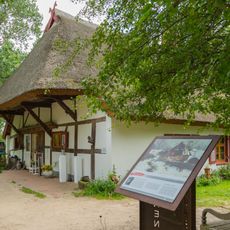
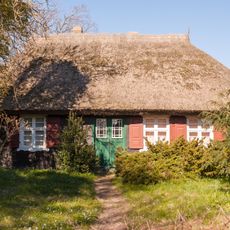
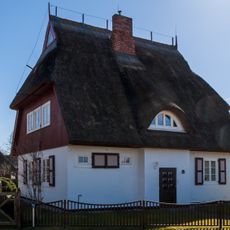
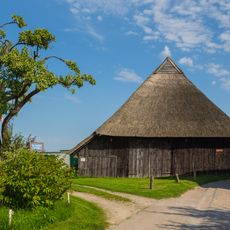
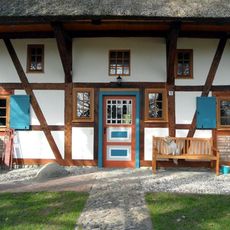
The museum is made of five cubes clad in reed thatch, echoing the region's traditional thatched houses. From outside they read as separate buildings, marked by brass plaques; inside they merge into one complex. Prisms in the skylights scatter daylight into nearly shadow-free room light.
The community of curious travelers
AroundUs brings together thousands of curated places, local tips, and hidden gems, enriched daily by 93,803 contributors worldwide.